
Culture pages on record

Photography Through the Ages: A Complete History When Notes Fly The first photograph ever taken needed an eight-hour exposure, long enough for sunlight to fall on both sides of the buildings. EBEmir Baycan

Persuasion Through Words When Notes Fly Persuasion through words: how repetition, specificity, vivid imagery, and social proof shift belief without adding new facts. EBEmir Baycan
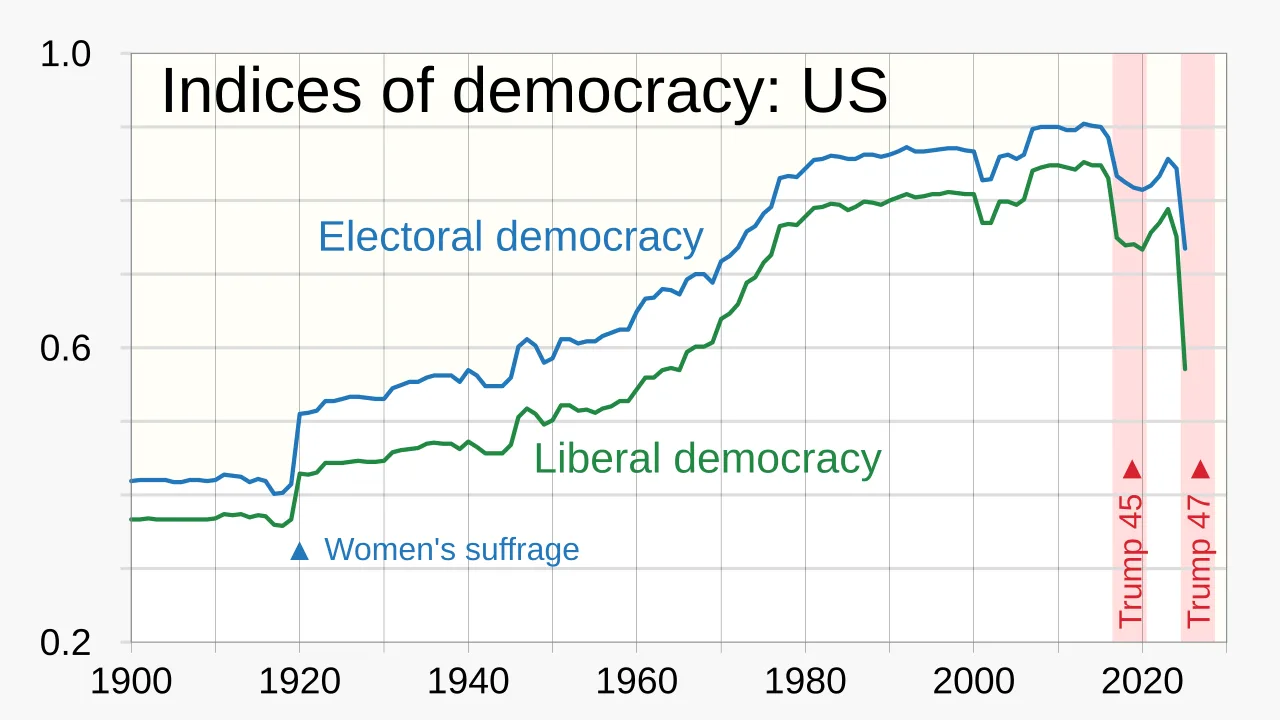
Is Democracy in Decline? What the Data and Research Show When Notes Fly Democracies now erode by legal means rather than coups, what Freedom House and V-Dem data show, and how Hungary became the template. EBEmir Baycan

Iran-Israel Conflict Explained: Roots, Dynamics, and Stakes When Notes Fly The Iran Israel conflict, explained from its reversal: the two were quiet partners under the Shah until the 1979 revolution inverted everything. EBEmir Baycan
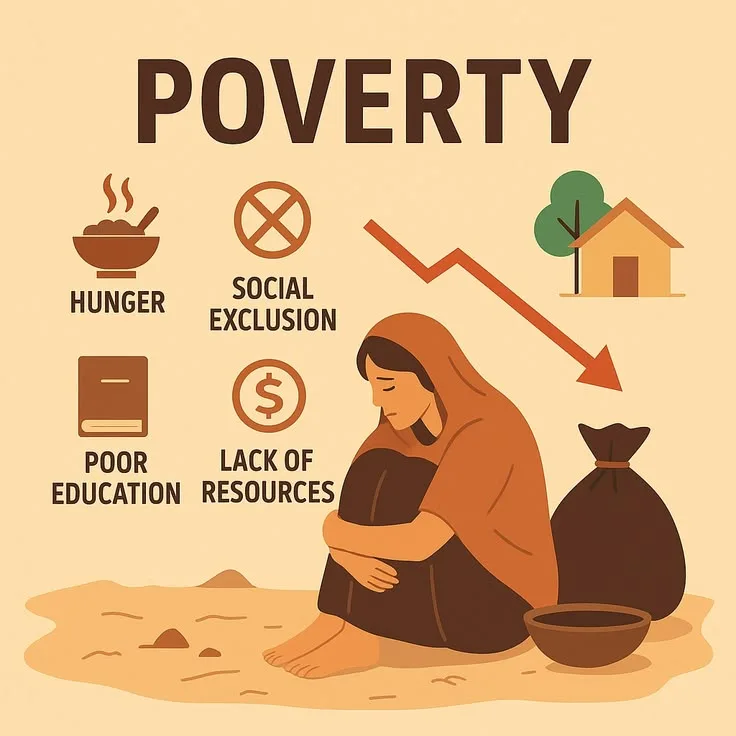
Economic Insights on How Poverty Traps Operate When Notes Fly Poverty trap mechanics: the bandwidth tax, why microfinance underdelivered, and what the graduation approach achieved. EBEmir Baycan

The Future of Work: Remote, AI, and Automation Insights When Notes Fly The future of work, remote or hybrid, hinges on a methodological point, counting tasks instead of whole jobs cuts the automation risk estimate five-fold. EBEmir Baycan
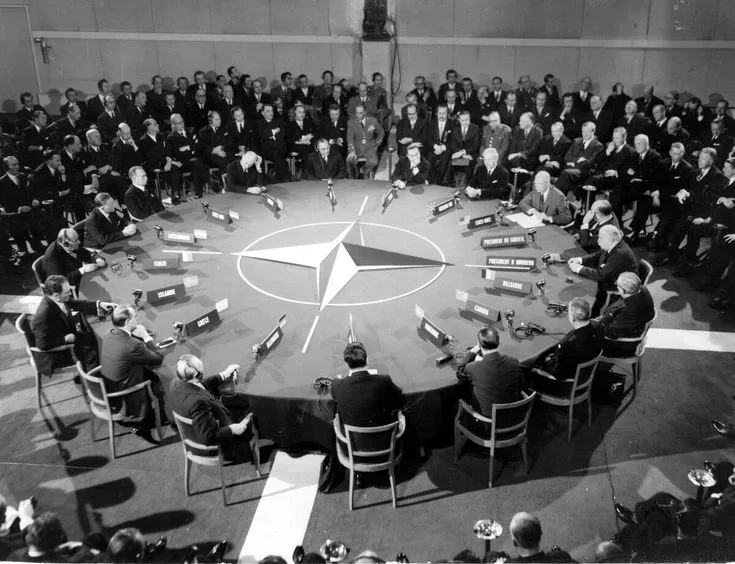
How the Cold War Influenced Today's World Dynamics When Notes Fly Why the Cold War was important: historians estimate 10 to 20 million died in proxy wars, a total the article calls impossible to calculate precisely. EBEmir Baycan
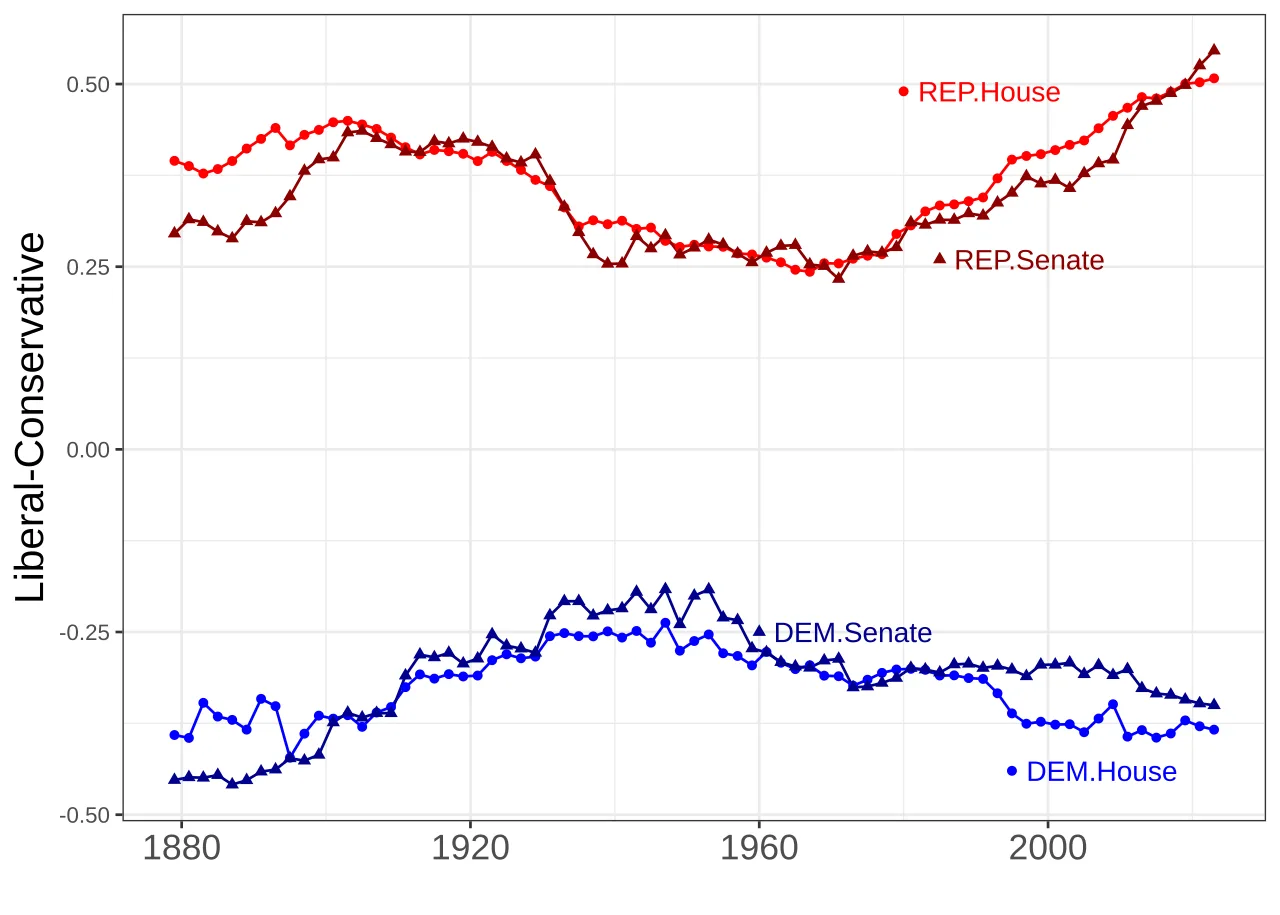
Political Polarization: Understanding Its Rise and Impact When Notes Fly Why political polarization is increasing: the policy gap barely moved, and the gap that grew is how much partisans dislike each other. EBEmir Baycan
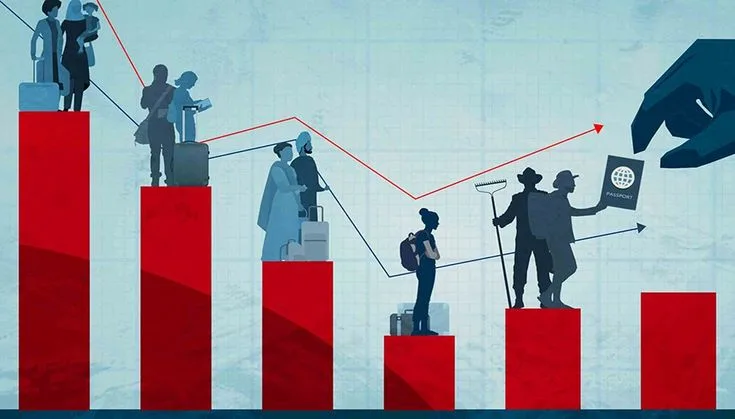
The Economic Motivations Behind Migration Trends When Notes Fly Why people migrate: 125,000 Cubans raised Miami's labor supply 7 percent, and economists still disagree on the wages. EBEmir Baycan

Why Languages Extinct: The Causes and Consequences When Notes Fly Why languages die is a question about children, not speakers: about 96 percent of people speak roughly 300 languages, and 4 percent speak the rest. EBEmir Baycan