
Culture pages on record

What Is Apartheid and How Did It End When Notes Fly What is apartheid and how it ended: the Truth Commission traded amnesty for full disclosure, and left the economic question untouched. EBEmir Baycan

Animal Rights: The Philosophy and Moral Considerations When Notes Fly Animal rights: Bentham asked in 1789 not whether animals can reason or talk, but whether they can suffer. Singer and Regan took it from there. EBEmir Baycan

Insights on Drug Policy: Prohibition vs Legalization When Notes Fly Drug decriminalization evidence: in Portugal, drug offenders fell from 44 percent of the prison population in 1999 to 24 percent by 2013. EBEmir Baycan

Causes of World War One Explored When Notes Fly What caused World War One, 37 days from a failed assassination to general war, and the century-long guilt debate. EBEmir Baycan
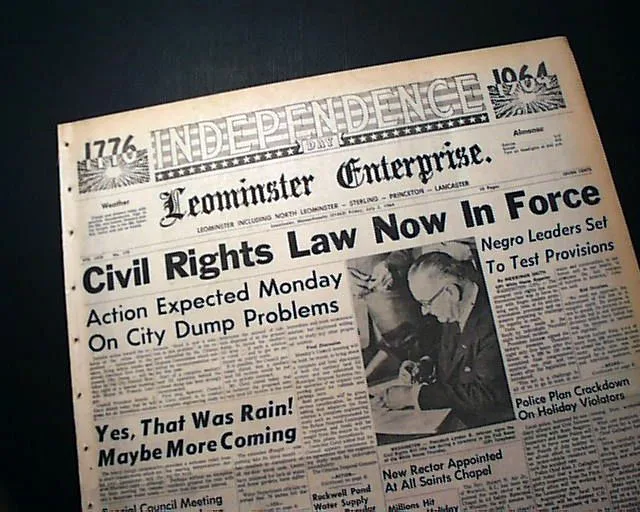
A Historical Overview of the American Civil Rights Movement When Notes Fly Civil rights movement: Rosa Parks had been NAACP secretary for a decade, and Claudette Colvin had refused the same seat months earlier. EBEmir Baycan

The Evolution of Social Media: Key Milestones When Notes Fly The history of social media starts with a failure: SixDegrees launched in 1997, reached about a million users, and died in 2001 on timing. EBEmir Baycan

Cultural Perspectives on Death: Global Insights When Notes Fly Perspectives on death across cultures, from celebration to veneration, explored through global beliefs and rituals. EBEmir Baycan

How Creators Actually Make Money When Notes Fly Ad revenue from YouTube and Spotify. Sponsorships and brand deals. Subscriptions and memberships. Digital products and courses. EBEmir Baycan

What Is the Gender Pay Gap: What the Data Actually Shows When Notes Fly The gender pay gap is largely a parenthood gap: Danish records show women's earnings fall about 30 percent after a first child while men's barely move. EBEmir Baycan

Cultural Dimensions Explained When Notes Fly Hofstede cultural dimensions, what the six axes predict, plus the meta-analysis showing they explain only 5 to 15 percent of behavior. EBEmir Baycan