
Culture pages on record

Urbanization and Its Economic Implications for Cities When Notes Fly Why cities are important: doubling city size lifts wages 2 to 5 percent, and each innovation job adds about five more. EBEmir Baycan

Key Events of the Scientific Revolution Explained When Notes Fly The Scientific Revolution in simple terms: 1543 to 1687, how authority gave way to observation and mathematics. EBEmir Baycan
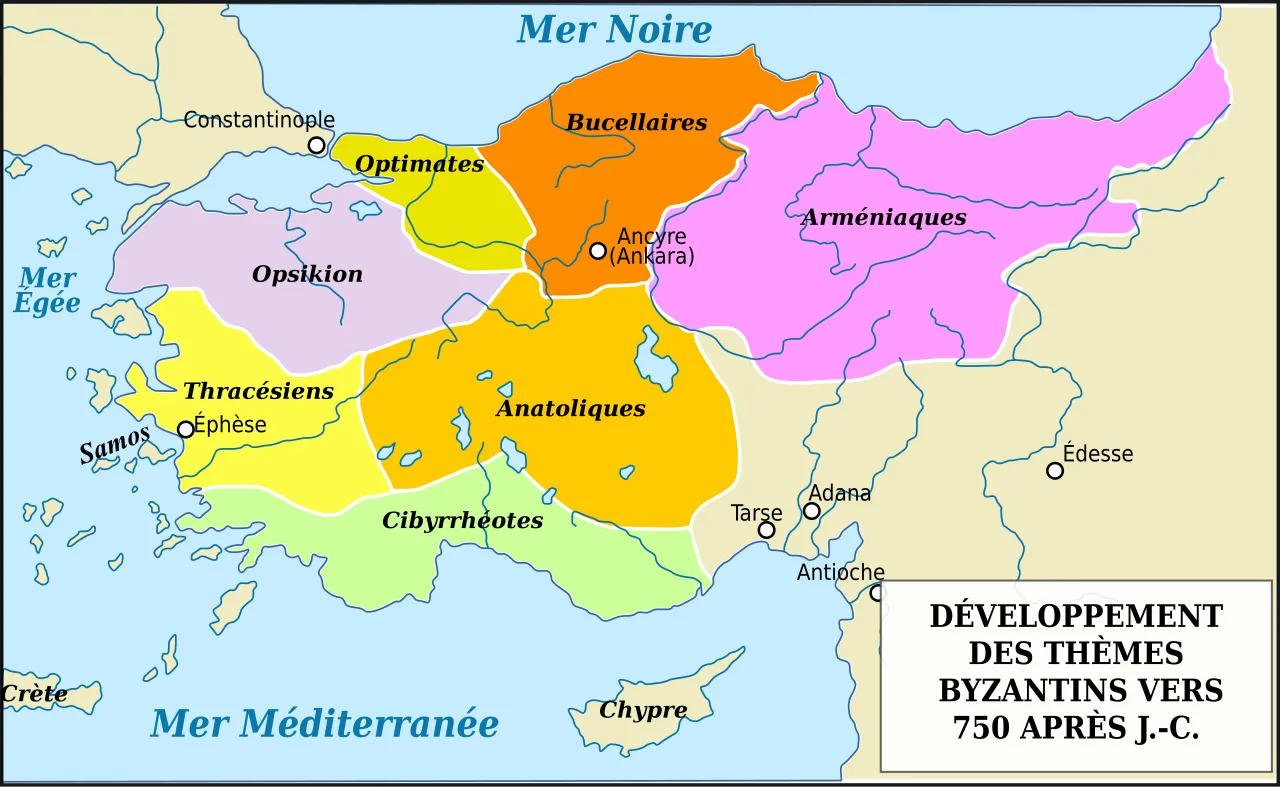
What Was the Byzantine Empire? Rome's Enduring Legacy When Notes Fly What was the Byzantine Empire: the people inside those walls never used the name, calling themselves Romaioi, Romans. EBEmir Baycan

What Is the History of Computing? Key Developments Explored When Notes Fly The history of computing has no single inventor: a 1973 ruling voided the ENIAC patent and named John Atanasoff a primary inventor. EBEmir Baycan
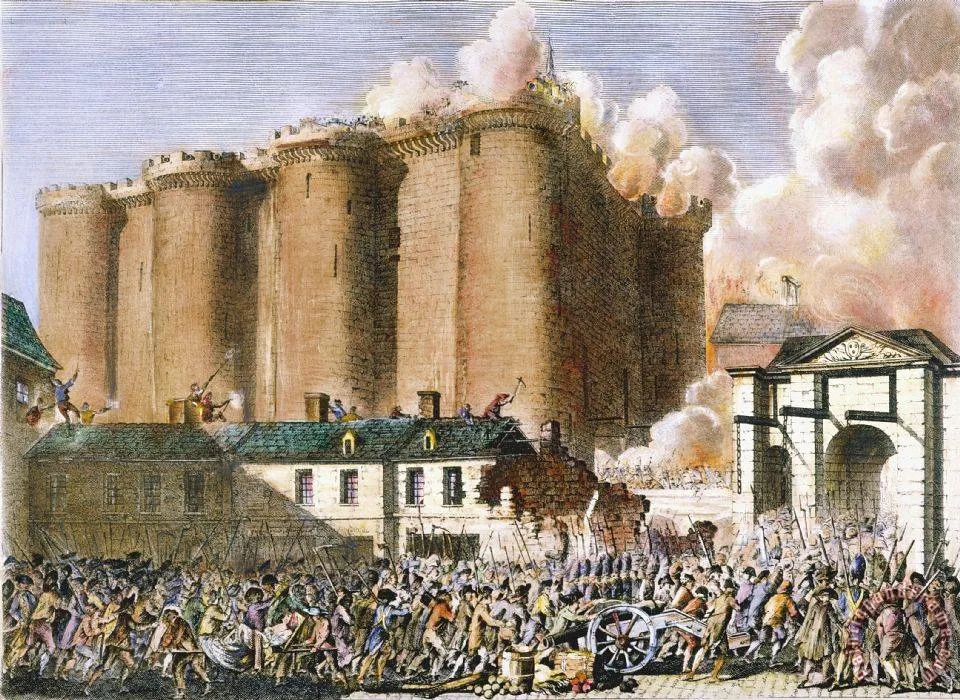
The French Revolution: Key Events and Lasting Effects When Notes Fly The French Revolution's founding moment was mostly symbolic: the Bastille held seven prisoners and had almost no strategic value. EBEmir Baycan

What Was the Enlightenment? Ideas That Shaped the Modern Era When Notes Fly What was the Enlightenment: Voltaire was beaten by a nobleman's servants, jailed without trial, and exiled to England, where he found his weapon. EBEmir Baycan

What Is the Creator Economy: Opportunity, Reality, and Data When Notes Fly The creator economy is real and large, but a 2022 survey of over 9,000 creators found only 12% of full-timers cleared $50,000. EBEmir Baycan

What Is the Attention Economy? Capturing Human Focus When Notes Fly Attention economy: Simon wrote in 1971 that a wealth of information creates a poverty of attention, before the smartphone existed. EBEmir Baycan

What Is Terrorism? Definitions and Historical Contexts When Notes Fly What is terrorism? There is no agreed answer: Schmid and Jongman counted 109 distinct definitions across the academic and government literature. EBEmir Baycan

What Is Sociology? The Study of Society and Social Dynamics When Notes Fly Sociology proved itself on the most private act there is: Durkheim showed in 1897 that suicide rates were patterned by social position. EBEmir Baycan