
Concepts pages on record

What Is Behavioral Science and Its Impact When Notes Fly Behavioral science explained: how defaults, framing and loss aversion beat information campaigns at changing what people actually do. EBEmir Baycan

What Is a Mental Model and How to Build a Better Toolkit When Notes Fly A working set of mental models, inversion, second-order thinking, Occam's razor, circle of competence, and how to build the latticework. EBEmir Baycan

Cobra Effect in Urban Planning: Infrastructure Failures When Notes Fly Urban planning failures: Duranton and Turner found every 1 percent more lane miles brings about 1 percent more traffic. EBEmir Baycan
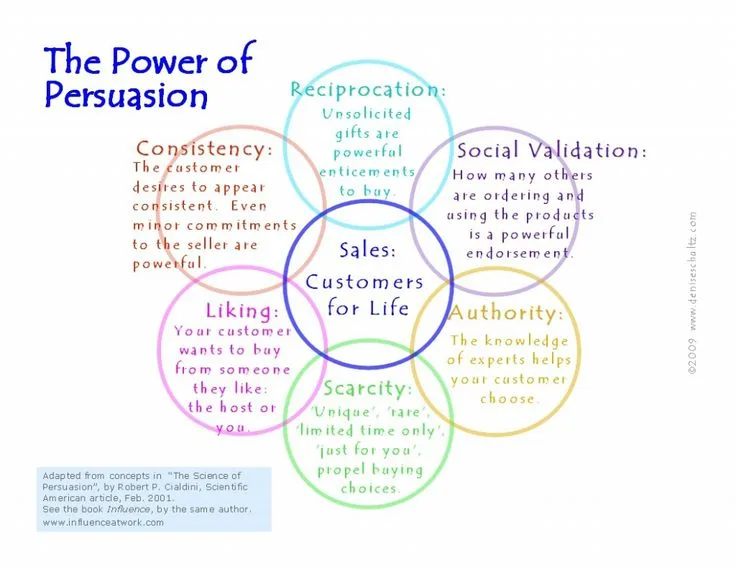
Unpacking the Psychology of Persuasion When Notes Fly The science of persuasion came from three years undercover: Cialdini took jobs in sales and fundraising to learn what practitioners knew. EBEmir Baycan

Tacit Knowledge: Understanding Unwritten Expertise When Notes Fly Tacit knowledge is why documentation alone fails, one study found documentation-only capture retained under 30 percent of a departing expert's capability. EBEmir Baycan

Spaced Repetition: The Most Efficient Way to Learn Anything When Notes Fly Spaced repetition, Cepeda's meta-analysis found the best review gap is roughly 10 to 20 percent of how long you need the material. EBEmir Baycan

What Is Regulatory Capture: When Regulators Serve Industry When Notes Fly Regulatory capture explained: Stigler's 1971 theory, the revolving door, cognitive capture, and the Boeing 737 MAX certification failure. EBEmir Baycan

The Optimism Bias: Why We Expect the Best Outcomes When Notes Fly Optimism bias makes people rate their own risk below average on almost every outcome, and good news updates beliefs more than bad. EBEmir Baycan
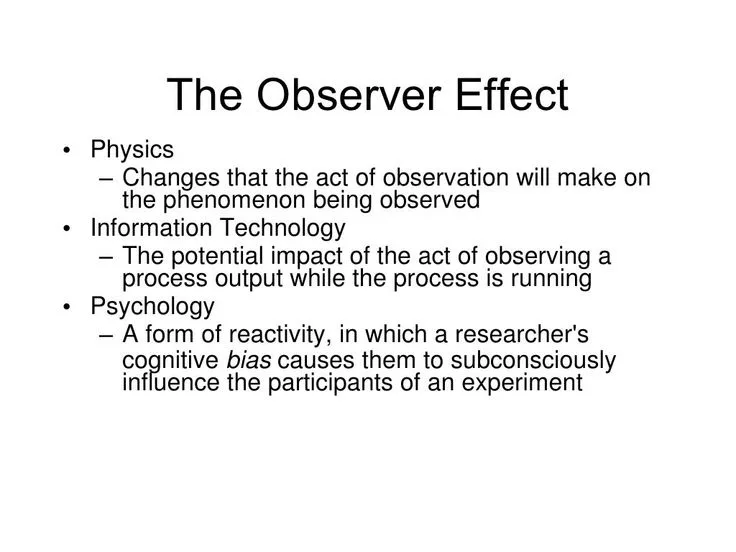
Understanding the Observer Effect in Measurement When Notes Fly What is the observer effect: Levitt and List's 2011 reanalysis found little statistical support for the original Hawthorne finding. EBEmir Baycan

Nudge Theory: Choice Architecture and Behavioral Policy When Notes Fly Nudge theory explained: defaults, salience, social norms, commitment devices and framing, with the evidence and the autonomy critique. EBEmir Baycan