
Concepts pages on record
Analyzing Campbell's Law and Its Implications When Notes Fly Goodhart's law has an older and sharper sibling: Campbell argued in 1976 that the measured process itself gets corrupted, not just the number. EBEmir Baycan
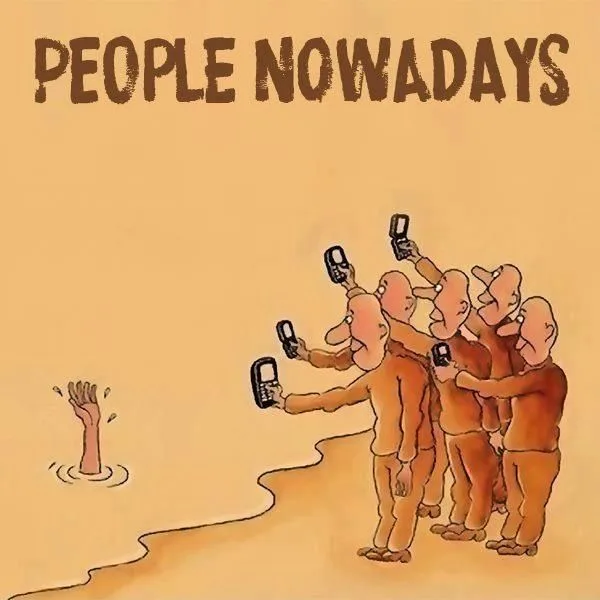
The Bystander Effect: Witnesses and Help Refusal When Notes Fly Bystander effect: 85 percent helped when alone against 62 percent who believed four others were listening, in cubicles with no real group. EBEmir Baycan

What Is the Butterfly Effect: Chaos Theory Explained When Notes Fly The butterfly effect started as a rounding error: three decimals instead of six sent Lorenz's weather model somewhere else entirely. EBEmir Baycan
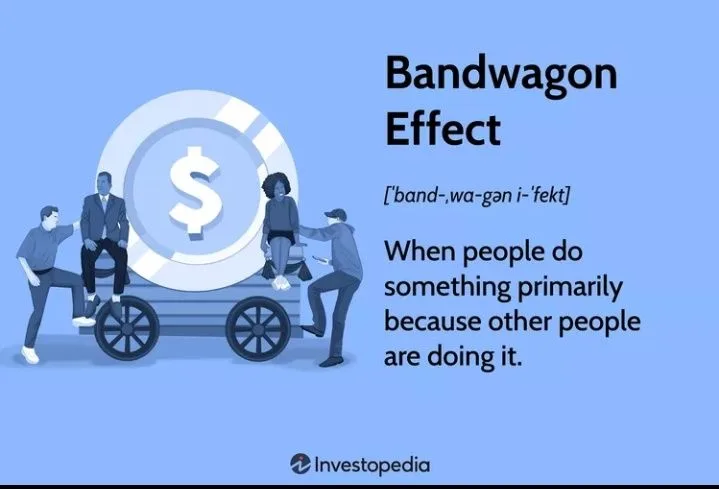
The Bandwagon Effect: Impact on Markets and Elections When Notes Fly Bandwagon effect: cascades are rational yet fragile, because each follower discards their own private information. EBEmir Baycan

The Availability Cascade: Media Influence on Perception When Notes Fly Availability cascade: the 1989 Alar scare cost apple growers an estimated 250 million dollars over a risk the EPA had already judged negligible. EBEmir Baycan

Attachment Theory and Its Impact on Relationships When Notes Fly Attachment theory: Harlow's infant monkeys clung to the cloth mother that fed them nothing and visited the wire one only to eat. EBEmir Baycan

Understanding Attachment Styles and Relationships When Notes Fly Attachment styles explained: insecure early attachment is not a life sentence, and earned security is the reason. EBEmir Baycan
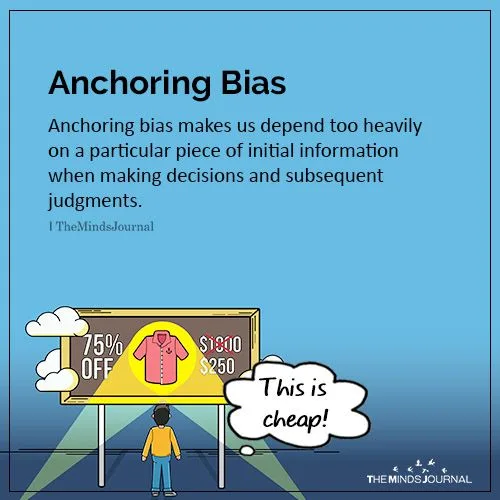
Anchoring Bias: The First Number Shapes Your Mind When Notes Fly Anchoring bias: a wheel rigged to 10 produced estimates of 25 percent, and the same wheel at 65 produced 45 percent. EBEmir Baycan

Anchoring and Adjustment: Influence of Initial Numbers When Notes Fly Anchoring and adjustment, two mechanisms, selective accessibility and under-adjustment, and why experts are only partly protected. EBEmir Baycan
An Overview of Astronomy: From Origins to Telescopes When Notes Fly What is astronomy: Galileo did not invent the telescope, since Hans Lippershey patented a design in 1608 before Galileo improved it.