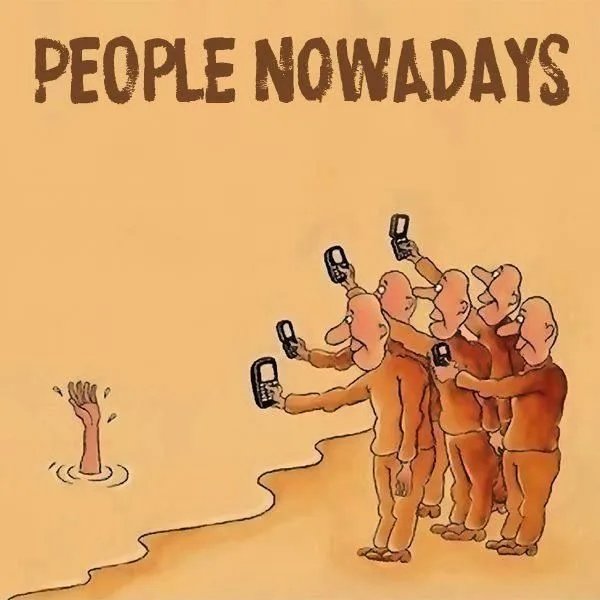
The Bystander Effect: Witnesses and Help Refusal
Analyze the factors that contribute to the bystander effect in emergency situations.
What is this page about?
An explainer of the bystander effect, the finding that people are less likely to help when others are present, anchored in the 1964 Kitty Genovese case and its later Manning reassessment. It presents Latane and Darley's five-step decision model, the mechanisms of diffusion of responsibility, pluralistic ignorance, and evaluation apprehension, and four case studies (Genovese, the 1968 epileptic-seizure experiment, the Fischer et al. 105-study meta-analysis, and the Levine CCTV study), plus the intellectual lineage, empirical evidence, and critiques.
What has been corrected on this page?
Every accepted correction to this page is recorded with the exact change, so readers can see how the page improved over time.
-
Lead author of 2011 meta-analysis is Peter Fischer, not Petra Fischer
BeforePetra Fischer, Joachim Krueger, Tobias Greitemeyer, and colleagues published a comprehensive
AfterPeter Fischer, Joachim Krueger, Tobias Greitemeyer, and colleagues published a comprehensive
Why: Corrected the unverified first name; the lead author of the 2011 bystander-effect meta-analysis is Peter Fischer, not Petra Fischer. Verified already live on the article; also confirmed no leftover instances in faq, excerpt, meta_description, or seo_keywords.
View the full record →
Who checked this page?
1 contributor has checked "The Bystander Effect: Witnesses and Help Refusal" on When Notes Fly. Each name below links to that person's public CitePep profile, where every contribution they have made is listed with the exact change they proposed.