Contributed Pages
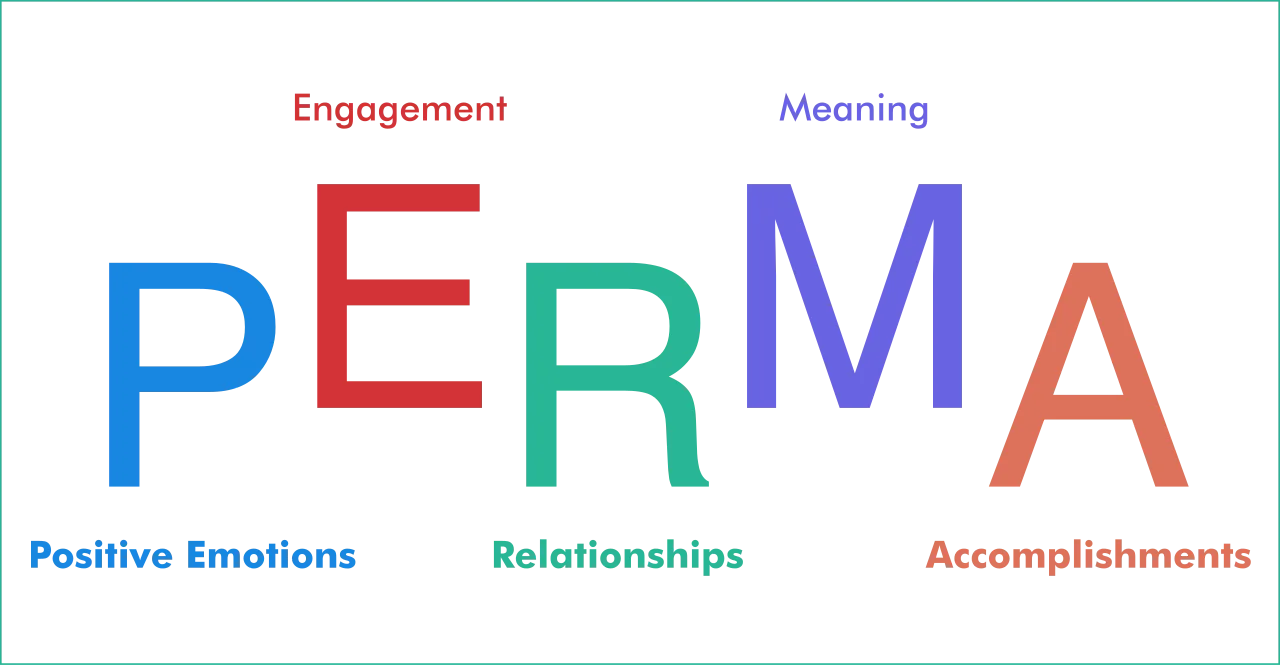
Positive Psychology: Research on Flourishing Lives When Notes Fly Examine the shift in psychology towards studying happiness and well-being. EBEmir Baycan

The Placebo Effect: How Expectation Becomes Physiology When Notes Fly In 1955, Henry Beecher analyzed 15 clinical trials and found that 35.2% of patients responded to inert treatments. EBEmir Baycan
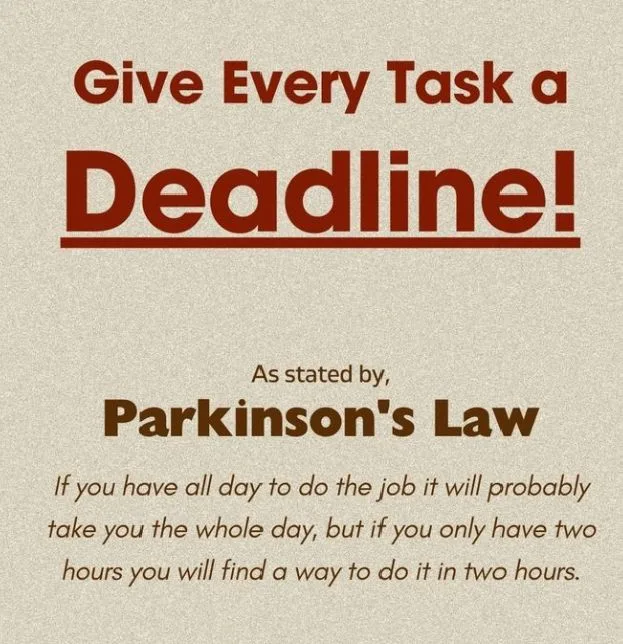
Understanding Parkinson's Law: Time Management Insights When Notes Fly Parkinson's Law highlights how work expands to fit the time given; learn its origins and practical applications. EBEmir Baycan
The Optimism Bias: Why We Expect the Best Outcomes When Notes Fly Analyze how optimism can lead to severe miscalculations in expectations and planning. EBEmir Baycan
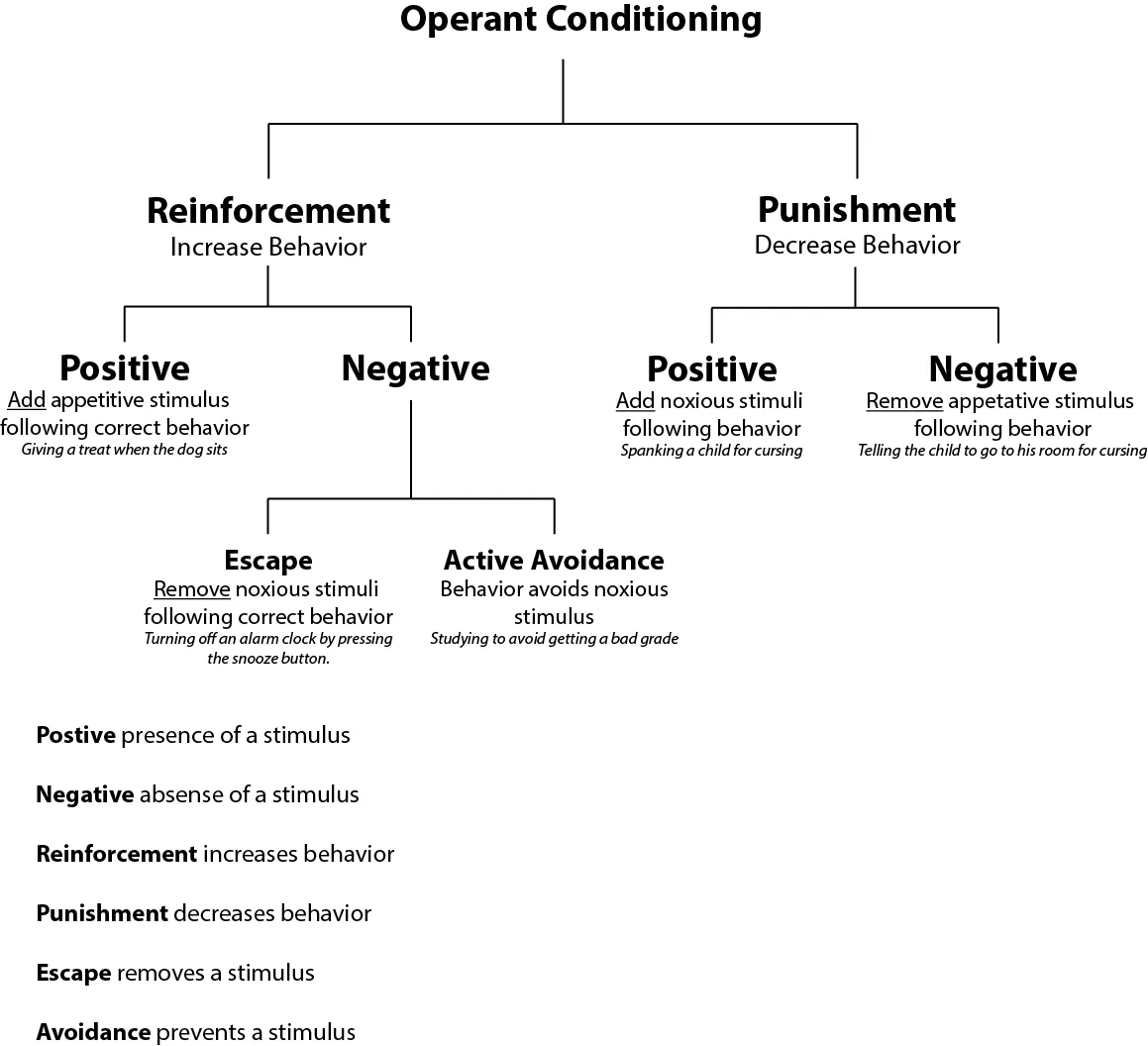
Operant Conditioning: Consequences and Their Limits When Notes Fly Explore the basics of how consequences shape behavior and factors that limit this power. EBEmir Baycan
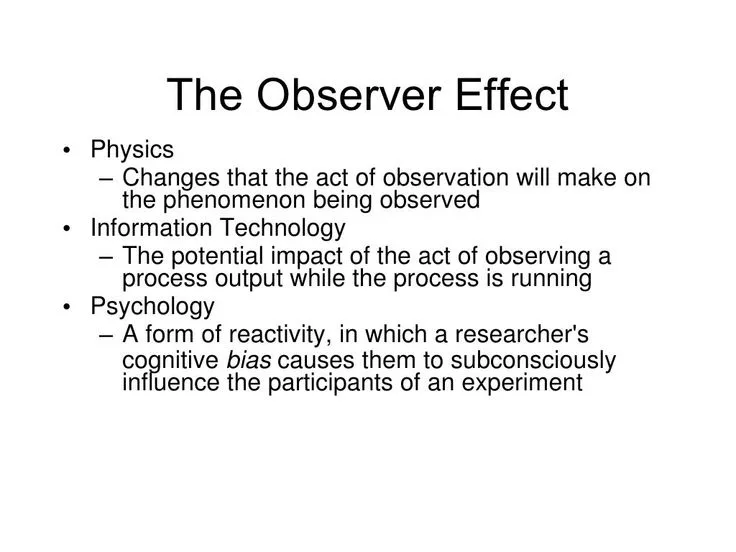
Understanding the Observer Effect in Measurement When Notes Fly Explore how the observer effect describes the influence of measurement on the phenomena being measured. EBEmir Baycan

Nudge Theory: Choice Architecture and Behavioral Policy When Notes Fly Nudge Theory shows how small changes in choice architecture produce large changes in behavior without restricting freedom. EBEmir Baycan
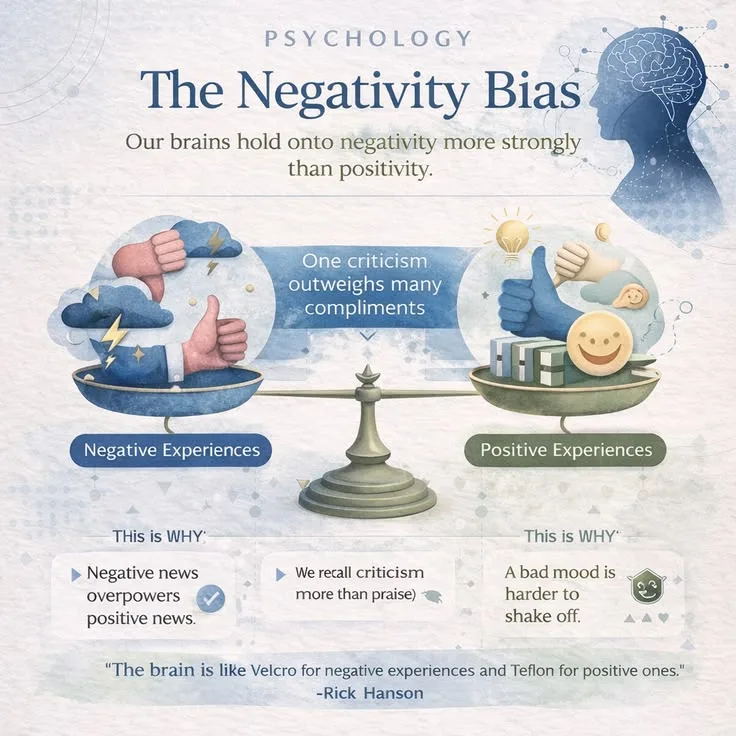
The Negativity Bias: Why Bad Is Stronger Than Good When Notes Fly John Gottman's lab found that marriages headed for divorce had a ratio of positive to negative interactions of about 0.8:1. EBEmir Baycan
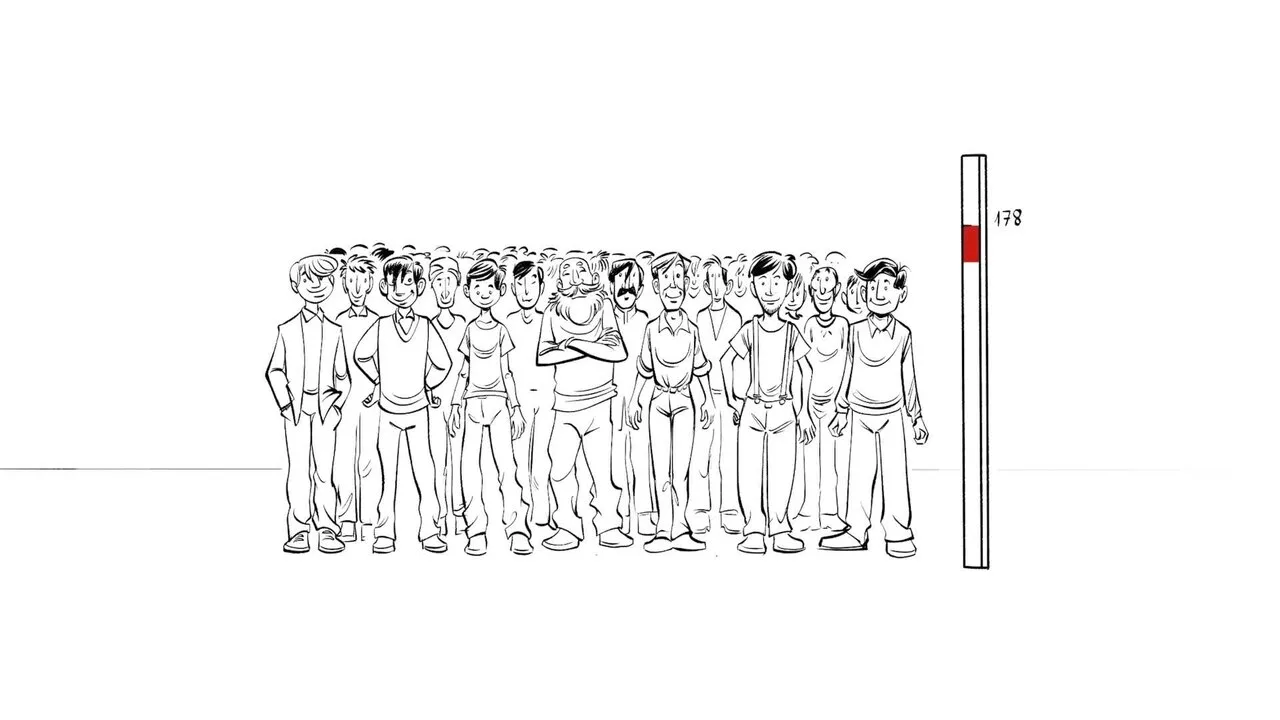
Nature vs. Nurture: What the Science Actually Shows When Notes Fly The nature vs. nurture debate has been largely resolved - not by declaring a winner, but by showing the question was wrong. Behavioral genetics, twin... EBEmir Baycan

Moral Licensing: How Good Deeds Allow Bad Behavior When Notes Fly Moral Licensing explains how prior good actions can lead to justifying negative behavior, as shown in psychological studies. EBEmir Baycan