
Psychology Behavior pages on record

The Habit Loop: How Habits Are Formed and Changed When Notes Fly How habits work at the neural level: dopamine shifts from the reward to the cue that predicts it, so craving arrives before the act. EBEmir Baycan
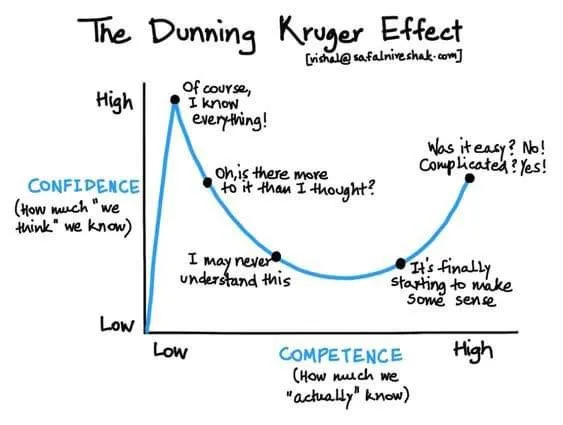
Dunning-Kruger Effect: Key Research and Myths When Notes Fly Dunning-Kruger effect, the Mount Stupid curve everyone shares is not in the 1999 paper and does not represent its findings. EBEmir Baycan
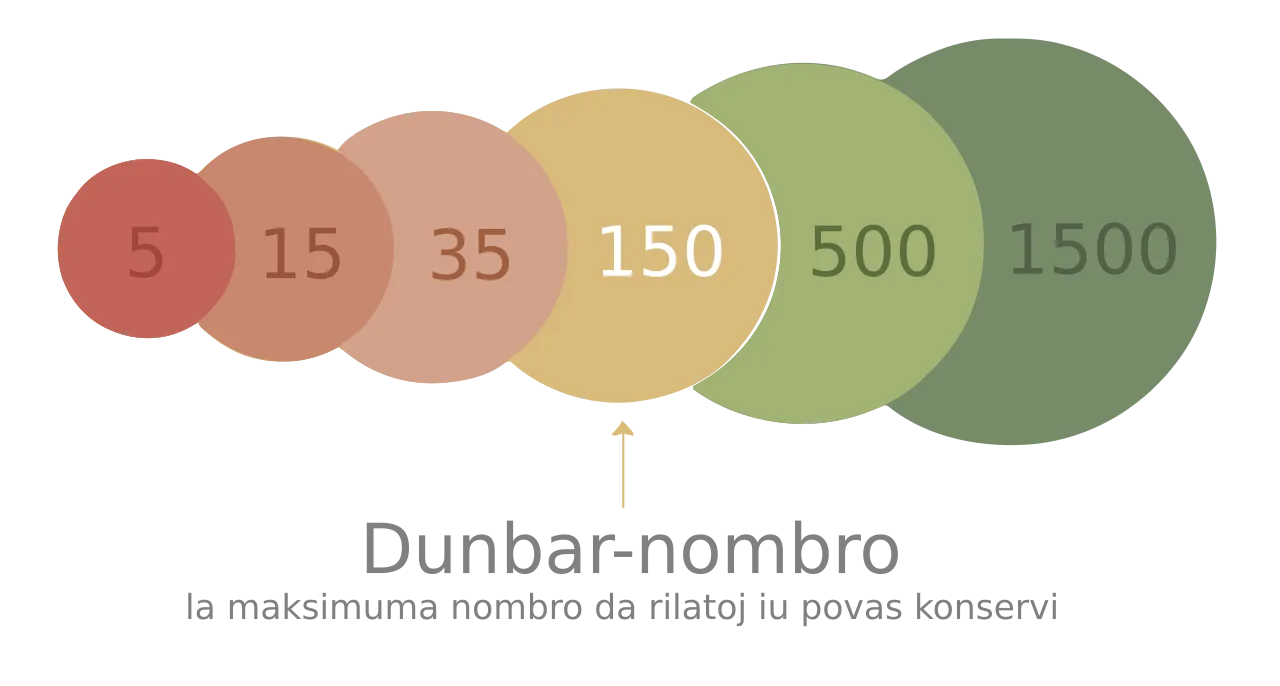
The Dunbar Number: Understanding Social Circle Limits When Notes Fly Dunbar's number is contested: a 2021 reanalysis put the confidence interval from roughly 2 to over 500, leaving 150 statistically indistinguishable. EBEmir Baycan

What Is the Default Effect: Why Pre-Selected Options Win When Notes Fly Default effect, Germany's organ donor consent sat near 12% and Austria's near 99.98%, a gap explained by opt-in versus opt-out. EBEmir Baycan

Behavioral Activation: A Simple Approach to Depression When Notes Fly Behavioral activation for depression, Jacobson's 1996 trial found it matched full CBT at two-year follow-up without any cognitive work. EBEmir Baycan

Attribution Theory: Misunderstanding Actions When Notes Fly Attribution theory, told the writer had no choice of position, readers still judged a pro-Castro essay as the writer's real view. EBEmir Baycan

What Is the Placebo Effect and How Strong Is It When Notes Fly How strong is the placebo effect? Large for pain and subjective symptoms, small for objective measures, and real without deception. EBEmir Baycan

What Is Neurodiversity? Understanding Brain Variations When Notes Fly What is neurodiversity: sociologist Judy Singer coined the term in a 1998 honours thesis, arguing brain variation is natural rather than pathological. EBEmir Baycan

What Is Impostor Syndrome and Its Effects When Notes Fly What causes imposter syndrome, an attribution pattern where success is credited to luck, so evidence of competence never raises self-assessment. EBEmir Baycan

The Psychology of Money: How Emotions Influence Spending When Notes Fly The psychology of money runs on survivorship bias: of US stocks from 1926 to 2016, only 42 percent beat Treasury bills over their lifetimes. EBEmir Baycan