
What Is Impostor Syndrome and Its Effects
This is the CitePep accuracy record for “What Is Impostor Syndrome and Its Effects”, published by When Notes Fly. It lists every change experts checked and accepted on that page.
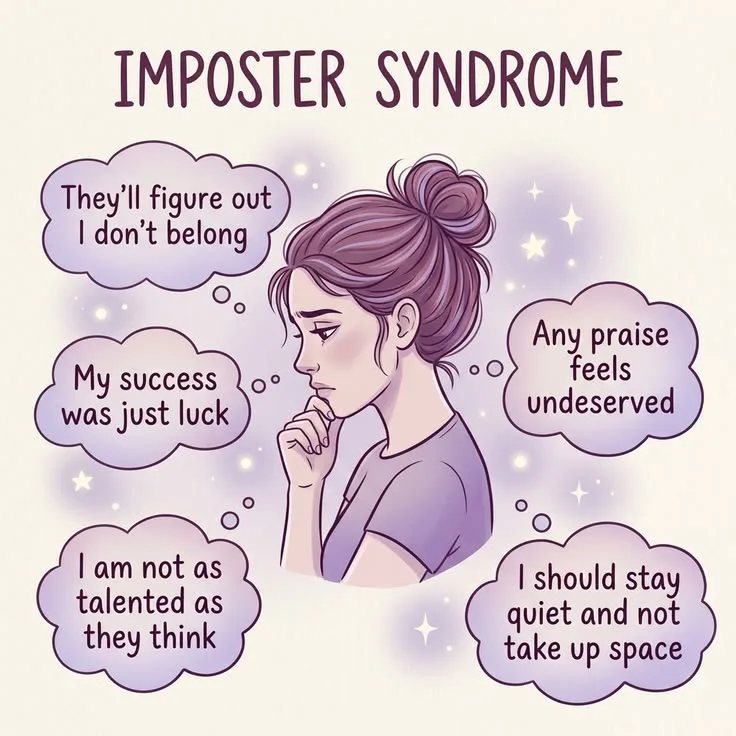
What causes imposter syndrome, an attribution pattern where success is credited to luck, so evidence of competence never raises self-assessment.
What has been corrected on this page?
Every accepted correction to this page is recorded with the exact change, so readers can see how the page improved over time.
-
A claim-level statistics check of this article: 1 claim that did not match the published source was corrected to what the source reports.
BeforeA 2020 survey in the Journal of General Internal Medicine found that more than 30% of medical students and residents reported significant impostor feelings, with impacts on help-seeking behavior: people experiencing impostor feelings were less likely to ask questions when uncertain, potentially creating patient safety implications.
AfterA 2020 review in the Journal of General Internal Medicine covering 62 studies found impostor feelings common among both men and women and across career stages, with prevalence ranging from 9% to 82% depending on the screening tool used.
Why: Each study and survey figure in the article was checked against the published source. Figures that differed from the source were corrected to the source's own numbers, dates and attribution.
View the full record →
Who checked this page?
1 contributor has checked "What Is Impostor Syndrome and Its Effects" on When Notes Fly. Each name below links to that person's public CitePep profile, where every contribution they have made is listed with the exact change they proposed.