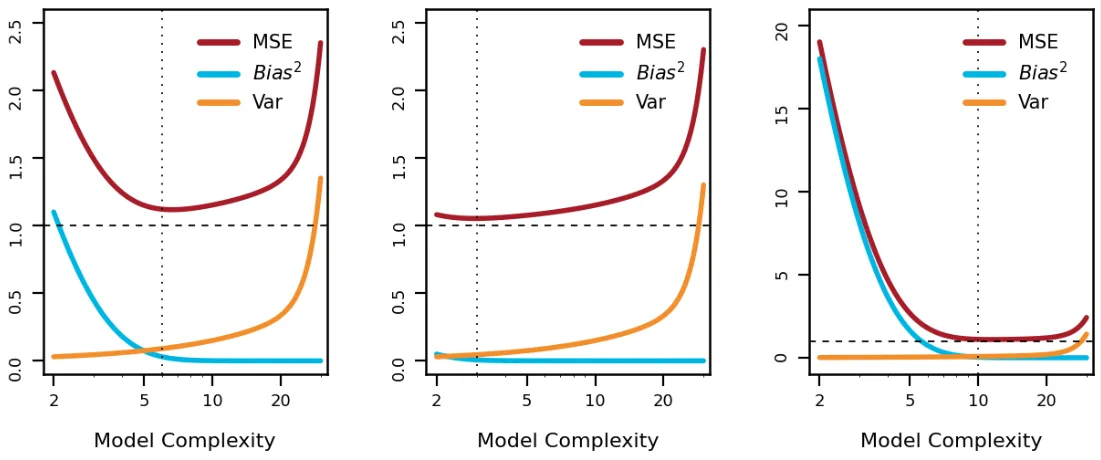
Tradeoffs as a Universal Law
Every choice sacrifices alternatives. Speed vs accuracy, cost vs quality, flexibility vs efficiency, growth vs stability. No perfect solution exists.
What has been corrected on this page?
Every accepted correction to this page is recorded with the exact change, so readers can see how the page improved over time.
-
Removed two entirely unverified academic citations (a Lal and Villas-Boas price-quality study that does not exist as described, and a Shih and Pisano Harvard Business School Samsung case study wrongly attributed - their real HBS cases cover IBM Microelectronics and SMIC, not Samsung), corrected a Bent Flyvbjerg statistic that conflated his cumulative research database with a single named study, corrected a Karl Claxton citation that inverted his actual published conclusion about the NICE cost-effectiveness threshold, corrected a slightly-off AWS market-share figure, and corrected a misleading timeline on Samsung's DRAM market dominance.
What the page claimedArticle cited a nonexistent Lal/Villas-Boas price-quality study with unverified statistics, a nonexistent Shih/Pisano HBS Samsung case study, conflated Flyvbjerg's full project database with a single 2020 study, claimed Claxton's research found NICE's threshold SAVED 20,000 life-years annually (the opposite of his real published argument that the threshold is too high and costs lives), stated AWS had 31 percent cloud market share, and implied Samsung's DRAM dominance was a 2005 milestone.
What was correctedRemoved the unverified Lal/Villas-Boas study and Shih/Pisano case study, generalizing the surrounding claims to what is actually well documented; corrected the Flyvbjerg citation to distinguish his full database from his 2020 peer-reviewed paper; corrected the Claxton claim to reflect his actual conclusion that the NICE threshold is too high; corrected AWS market share to the commonly cited 32-33 percent; corrected Samsung's DRAM leadership to its accurate early-1990s origin.
Why: Verified every named-study and named-statistic claim in the article's research section against the real literature; found a mix of entirely unverified citations, one citation that inverted the source's actual conclusion, and two minor figure/timeline errors.
View the full record →
Who checked this page?
1 contributor has checked "Tradeoffs as a Universal Law" on When Notes Fly. Each name below links to that person's public CitePep profile, where every contribution they have made is listed with the exact change they proposed.