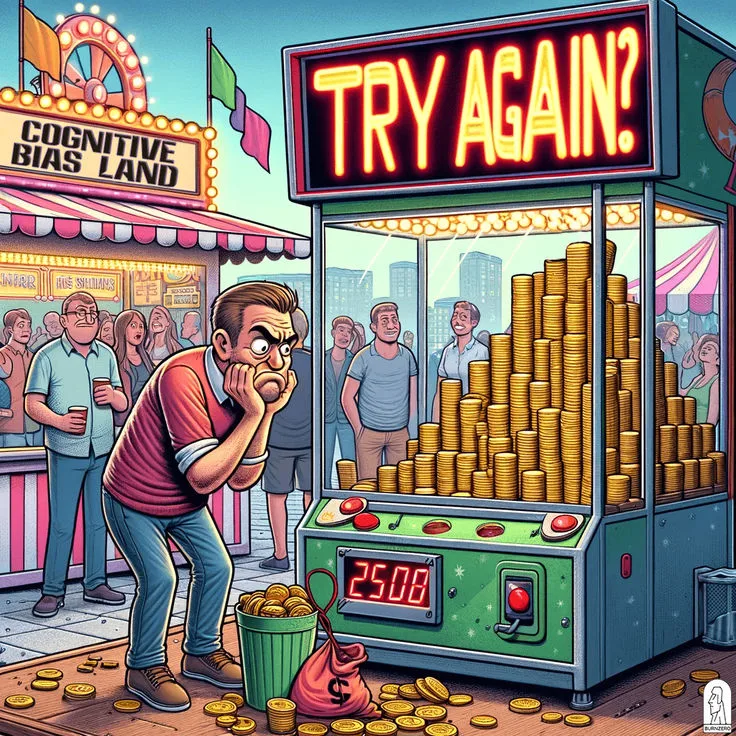
Sunk Cost Fallacy and Its Effect on Decision Making
The Concorde project exemplifies the sunk cost fallacy, where past investments lead to persistence in bad decisions.
What has been corrected on this page?
Every accepted correction to this page is recorded with the exact change, so readers can see how the page improved over time.
-
2 corrections applied: Conflates total airframes (20) with commercial aircraft; only 14 production Concordes entered airline service. | Amundsen reached the Pole Dec 14, 1911; to Jan 17, 1912 is 34 days, not 33.
BeforeOnly 20 aircraft were ever built for commercial use - all sold to British Airways and Air France... they found Roald Amundsen's Norwegian flag already planted thirty-three days earlier.
AfterTwenty Concordes were built in all (including 6 prototype, pre-production, and test airframes); only 14 production aircraft entered commercial service, split between British Airways and Air France... they found Roald Amundsen's Norwegian flag already planted thirty-four days earlier.
Why: Verified live article content already contains both corrections: the 20-total/14-production-Concorde distinction and the thirty-four-day Amundsen gap. Checked the FAQ JSON-LD schema field; it does not mention Concorde production counts or the Amundsen/Scott day gap at all. No further action needed.
View the full record →
Who checked this page?
1 contributor has checked "Sunk Cost Fallacy and Its Effect on Decision Making" on When Notes Fly. Each name below links to that person's public CitePep profile, where every contribution they have made is listed with the exact change they proposed.