Design Tools for Non-Designers: An Overview
Discover design tools suitable for non-designers, including Canva and Figma, to create stunning visuals effortlessly.
What is this page about?
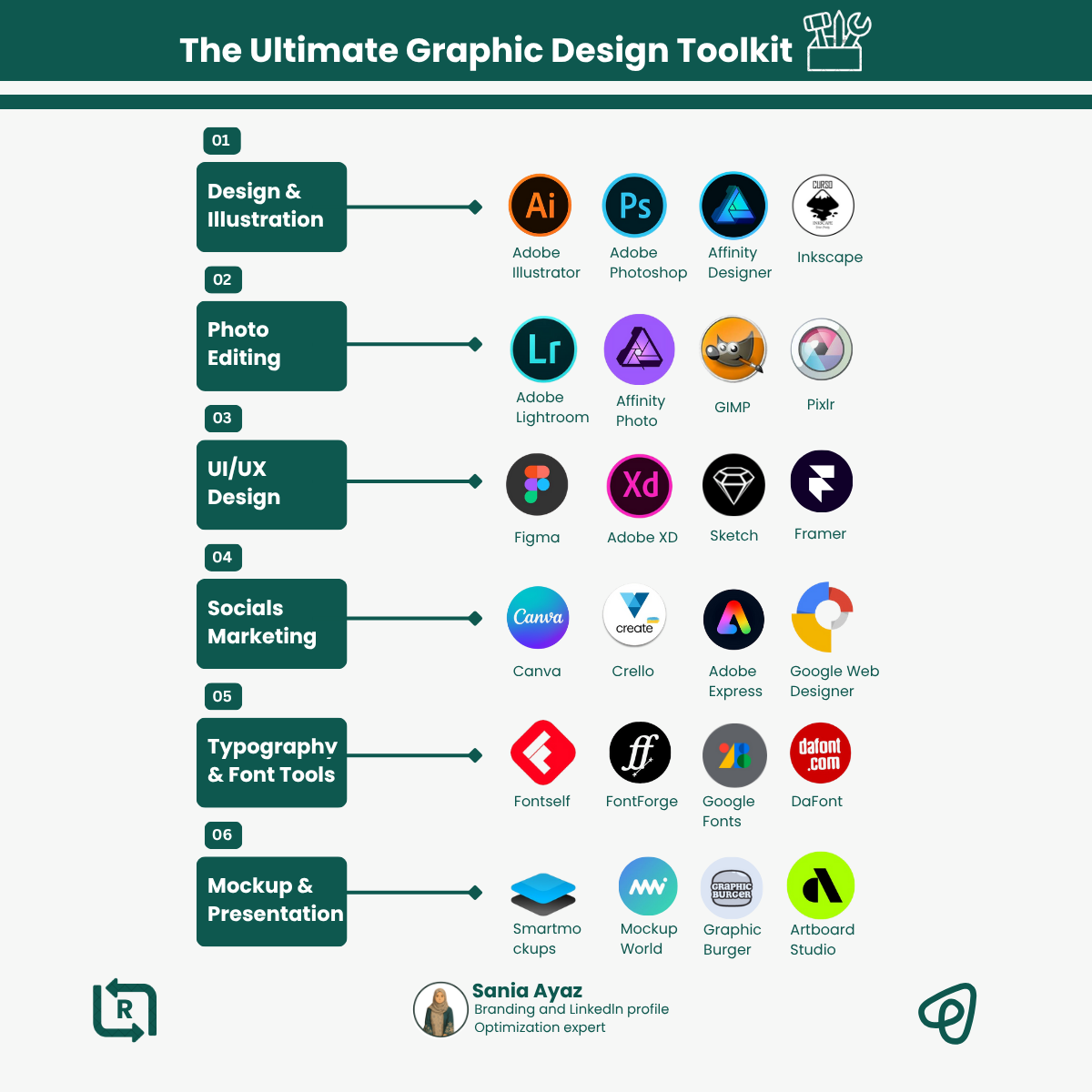
An overview of design tools for non-designers, opening with Canva's origin from the frustration of teaching Adobe tools built for professionals. It maps the landscape (template-based tools, professional interface and creative tools, diagramming tools), gives a detailed Canva-versus-Figma-versus-Adobe comparison and decision framework, and teaches the core design principles non-designers need (two fonts maximum, restrained high-contrast color, whitespace, alignment), the common mistakes non-designers make, and when to hire a professional.
What has been corrected on this page?
Every accepted correction to this page is recorded with the exact change, so readers can see how the page improved over time.
-
Canva co-founder is Cameron Adams; 'Adam Wattenberg' is a garbled/unverified name
BeforeWattenberg, Adam and Perkins, Melanie. Canva company history and founding story.
AfterAdams, Cameron and Perkins, Melanie. Canva company history and founding story.
Why: Verified live: bibliography entry already correctly credits Cameron Adams as Canva co-founder. FAQ, excerpt, meta_description, and seo_keywords contain no reference to the unverified Wattenberg name, so no residual fabrication anywhere on the post.
View the full record →
Who checked this page?
1 contributor has checked "Design Tools for Non-Designers: An Overview" on When Notes Fly. Each name below links to that person's public CitePep profile, where every contribution they have made is listed with the exact change they proposed.