Analytics vs Data Science: Key Differences Explained
Understand how analytics answers past business questions, while data science focuses on predictive modeling and insights.
What is this page about?
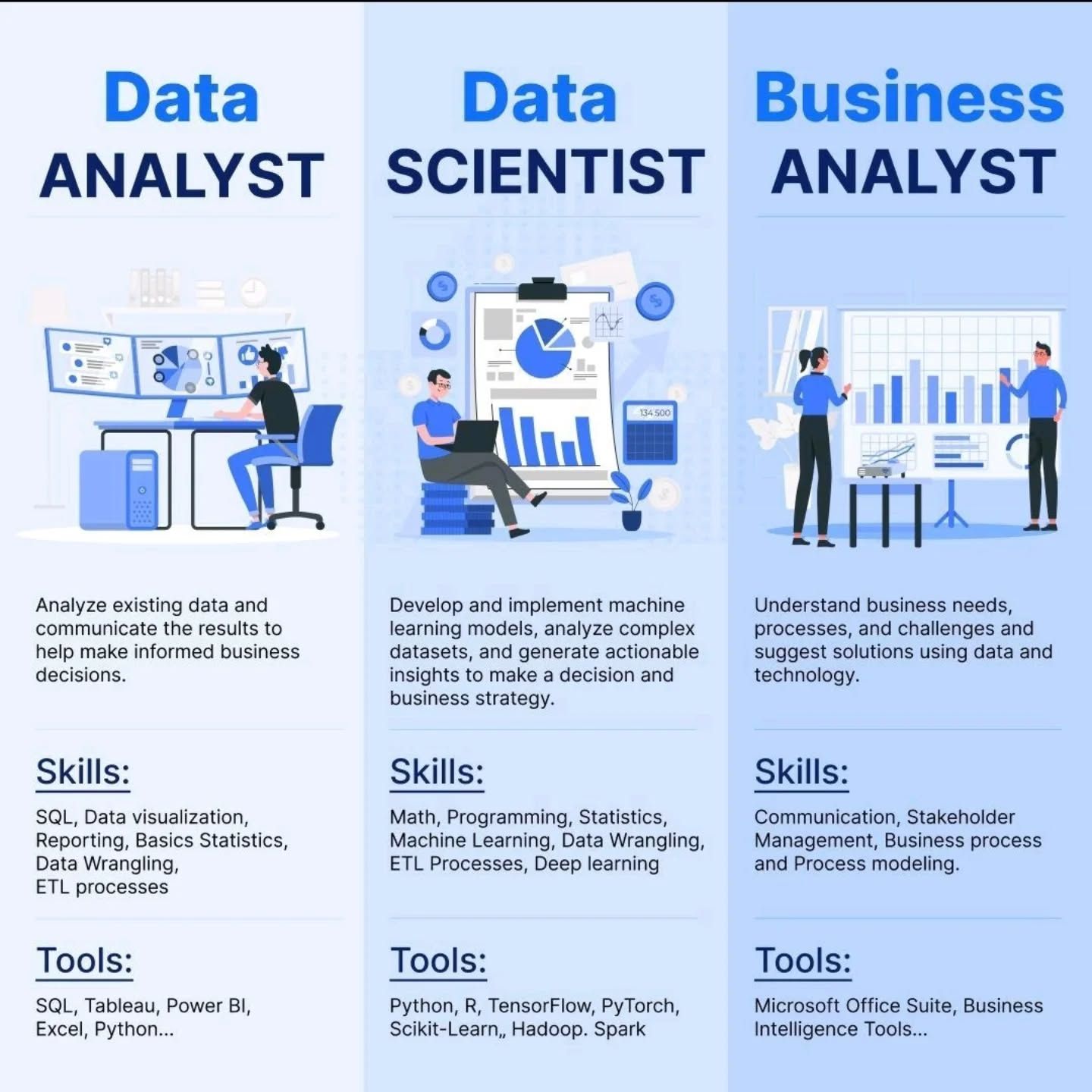
An explanation of the difference between analytics and data science, two disciplines that answer different questions (what happened and why, versus what will happen and what to do). It contrasts their skill profiles and toolkits, identifies the genuine overlap, and advises when an organization needs each, warning against the premature-data-science trap of hiring for ML before basic analytics maturity exists. It also covers career trajectories and compensation, the analyst-to-data-scientist transition, and organizational structures that work.
What has been corrected on this page?
Every accepted correction to this page is recorded with the exact change, so readers can see how the page improved over time.
-
2 corrections applied: Anand Rajaraman was an SVP at @WalmartLabs, not Walmart's CTO | The 2015 RankBrain confirmation came from Greg Corrado (Bloomberg), not Gary Illyes
Beforen/a
Aftern/a
Why: Body text already correctly says then-SVP Anand Rajaraman (not CTO) and Google's Greg Corrado (not Gary Illyes) confirming RankBrain publicly in 2015. FAQ checked, no fabrication present. No changes needed.
View the full record →
Who checked this page?
1 contributor has checked "Analytics vs Data Science: Key Differences Explained" on When Notes Fly. Each name below links to that person's public CitePep profile, where every contribution they have made is listed with the exact change they proposed.