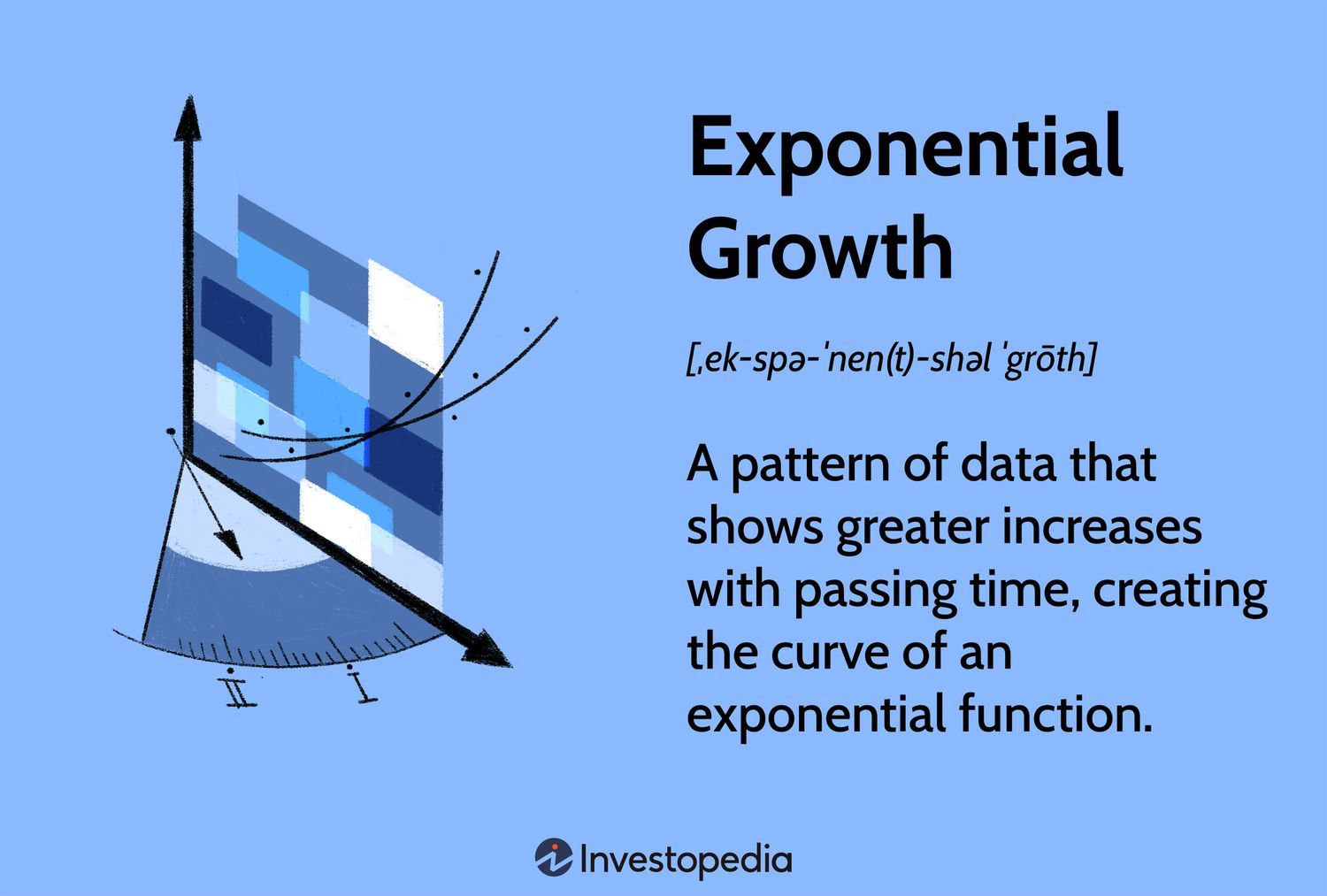
Understanding Exponential Growth and Our Limitations
Explore how exponential growth differs from linear thinking, illustrated by real-world examples to enhance comprehension.
What was corrected
The article gave chessboard masses about 1,000x too large, a 3-6 day COVID doubling time attributed to Li et al., a Lyu-Wehby study framed as a South Korea/Taiwan/New Zealand early-intervention comparison, a credit-card balance that both doubles and is paid down by minimum payments, a specific 2001 Kahneman study, universal Ebbinghaus forgetting percentages, and an IPCC prediction of exponential warming acceleration.
Recomputed the grain masses at the stated conversion rate, corrected the epidemiological and study attributions to the primary sources, separated the incompatible debt calculations, and qualified the psychology and climate claims to what the sources actually support.
Why this is better
These were verifiable arithmetic errors and mis-citations. Corrections use the article's own stated conversion rate and the primary studies (Li et al. 2020; Lyu and Wehby 2020; the 2016 O'Neill AMR Review; IPCC AR6) rather than new unverified sources.
More by Emir Baycan in Concepts
- Correction Learning Myths That Refuse to Die
- Correction First Principles Thinking: Elon Musk's Approach Explained
- Correction Nine Methods to Learn Anything Faster and Effectively
- Correction The Limits of Rules