What Is the Pareto Principle: The 80/20 Rule Explained
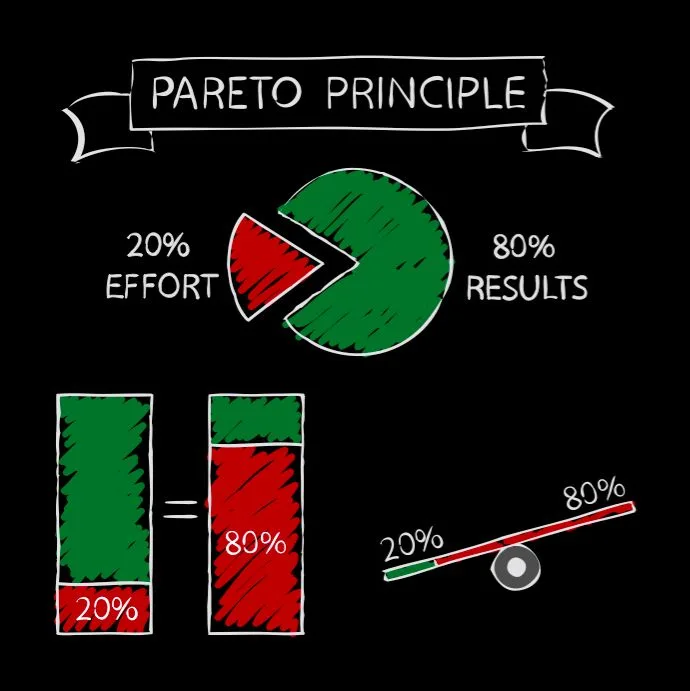
The Pareto Principle states that roughly 80% of outcomes come from 20% of causes, a pattern that appears across business, productivity, and nature.
What was corrected
The article told the pea-pod discovery story, gave a Microsoft 80%-of-crashes figure, called the 80/20 customer rule nearly universal, cited a Gruber NEJM 2012 Medicare study, used Salesforce and Spotify as universal examples, and presented a Vodafone UK case with a named executive and 18%/76% figures.
Corrected the anecdote, qualified the universal claims, replaced the unverifiable NEJM citation with a sourced general statement, and generalized the unverified-looking case studies, while keeping the verifiable statistics and studies.
Why this is better
The pea-pod story is apocryphal and several case studies and the NEJM citation could not be verified. Corrections remove or generalize the unverifiable specifics and keep the genuine ones rather than inventing sources.
More by Emir Baycan in Concepts
- Correction Learning Myths That Refuse to Die
- Correction First Principles Thinking: Elon Musk's Approach Explained
- Correction Nine Methods to Learn Anything Faster and Effectively
- Correction The Limits of Rules