
Correction Career Growth
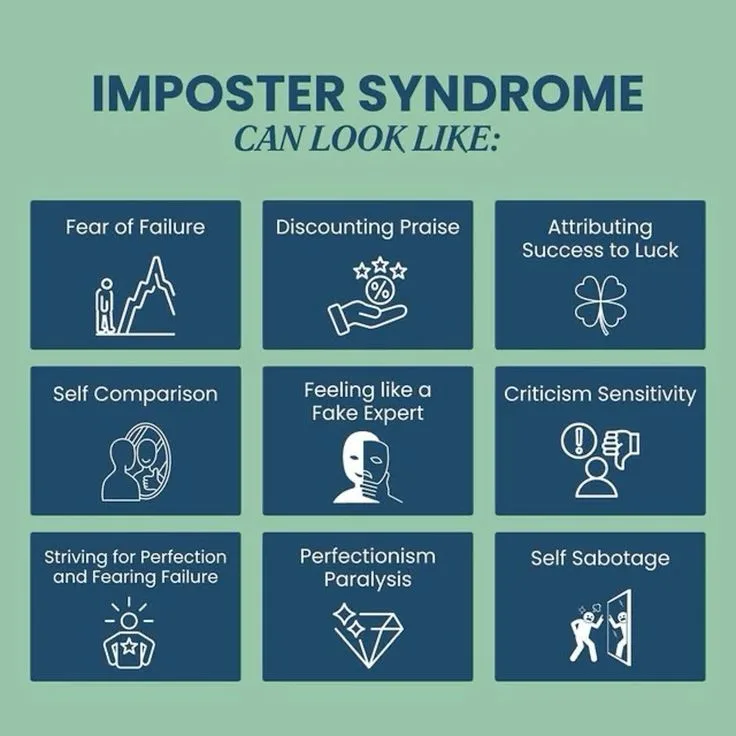
Comprehensive Overview of Imposter Syndrome
Imposter syndrome at work, Clance and Imes coined the term in 1978 studying high-achieving women who felt they had fooled everyone.
Factually incorrectNeeds stronger evidence
The exact change
Before
A 2023 survey by Deloitte of 23,000 Millennial and Gen Z workers found that 68% of respondents reported feeling imposter syndrome regularly, a higher figure than most studies of older cohorts. | Whether this reflects a genuine generational increase or better awareness of the construct is unclear, but the figure suggests that the phenomenon is not receding as professional self-presentation tools multiply. | A 2019 study of software developers found that over 50% reported experiencing imposter feelings regularly. | found that 22-47% of medical students and residents reported clinically significant imposter feelings.
After
Removed. | Removed. | A 2024 study of 624 software engineers found that 52.7% experienced frequent to intense imposter feelings. | covering 62 studies found prevalence rates ranging from 9% to 82%, depending on the screening tool and cutoff used.
Suggested change
Corrected 2 figures to the published source. Removed 2 unsourced claims.
Why this is better
Each study and survey figure in the article was checked against the published source. Figures that differed from the source were corrected to the source's own numbers, dates and attribution. Claims for which no published source could be located were removed.
More by Emir Baycan in Career Growth
- Correction What Is Personal Development: A Research-Based Framework
- Correction Mentorship: Understanding Its Importance and Finding Mentors
- Correction Understanding Emotional Labor and Its Impact at Work
- Correction CISO Responsibilities and Pathway to Becoming One