
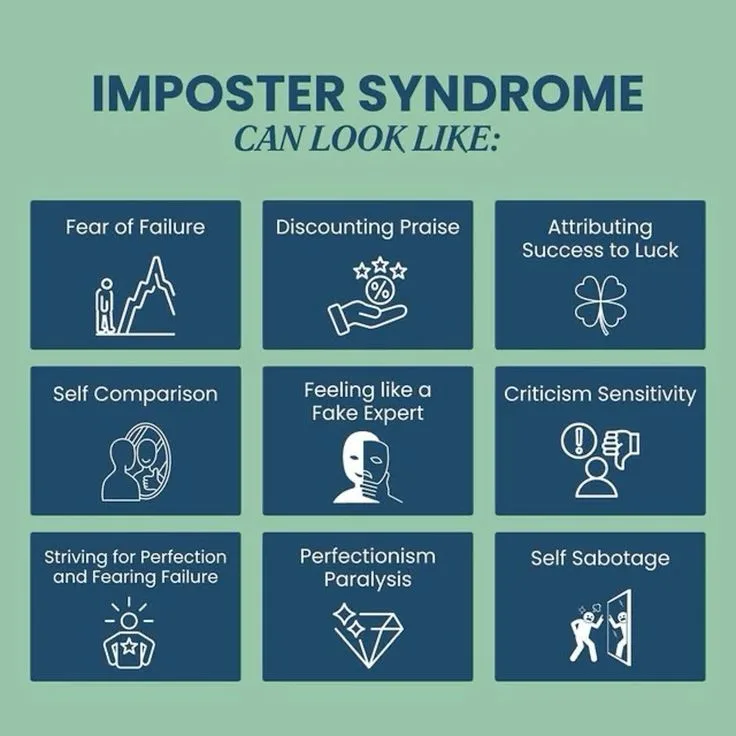
Comprehensive Overview of Imposter Syndrome
This is the CitePep accuracy record for “Comprehensive Overview of Imposter Syndrome”, published by When Notes Fly. It lists every change experts checked and accepted on that page.
Imposter syndrome at work, Clance and Imes coined the term in 1978 studying high-achieving women who felt they had fooled everyone.
What has been corrected on this page?
Every accepted correction to this page is recorded with the exact change, so readers can see how the page improved over time.
-
A claim-level statistics check of this article: 2 claims that did not match the published source were corrected to what the source reports and 2 study claims with no locatable published source were removed.
BeforeA 2023 survey by Deloitte of 23,000 Millennial and Gen Z workers found that 68% of respondents reported feeling imposter syndrome regularly, a higher figure than most studies of older cohorts. | Whether this reflects a genuine generational increase or better awareness of the construct is unclear, but the figure suggests that the phenomenon is not receding as professional self-presentation tools multiply. | A 2019 study of software developers found that over 50% reported experiencing imposter feelings regularly. | found that 22-47% of medical students and residents reported clinically significant imposter feelings.
AfterRemoved. | Removed. | A 2024 study of 624 software engineers found that 52.7% experienced frequent to intense imposter feelings. | covering 62 studies found prevalence rates ranging from 9% to 82%, depending on the screening tool and cutoff used.
Why: Each study and survey figure in the article was checked against the published source. Figures that differed from the source were corrected to the source's own numbers, dates and attribution. Claims for which no published source could be located were removed.
View the full record → -
The fixed 10,000-hour rule was popularized by Gladwell, not established by Ericsson, who rejected it as a misinterpretation
Beforeestablished that genuine expertise in complex domains requires 10,000 or more hours of deliberate practice. / Reframing imposter feelings as "I am at hour 3,000 of a 10,000-hour journey"...
Afterestablished that genuine expertise in complex domains requires thousands of hours of deliberate practice. / Reframing imposter feelings as "I am still early in a long journey of deliberate practice"...
Why: Main Ericsson claim was already correctly softened to thousands of hours, but a secondary sentence immediately afterward still used the specific unverified 10,000-hour figure as an authoritative target, reinstating the myth Ericsson himself rejected. Softened this leftover to remove the precise unverified number while preserving the motivational point. Verified clean on re-fetch. FAQ and excerpt checked, no other leftover.
View the full record →
Who checked this page?
1 contributor has checked "Comprehensive Overview of Imposter Syndrome" on When Notes Fly. Each name below links to that person's public CitePep profile, where every contribution they have made is listed with the exact change they proposed.