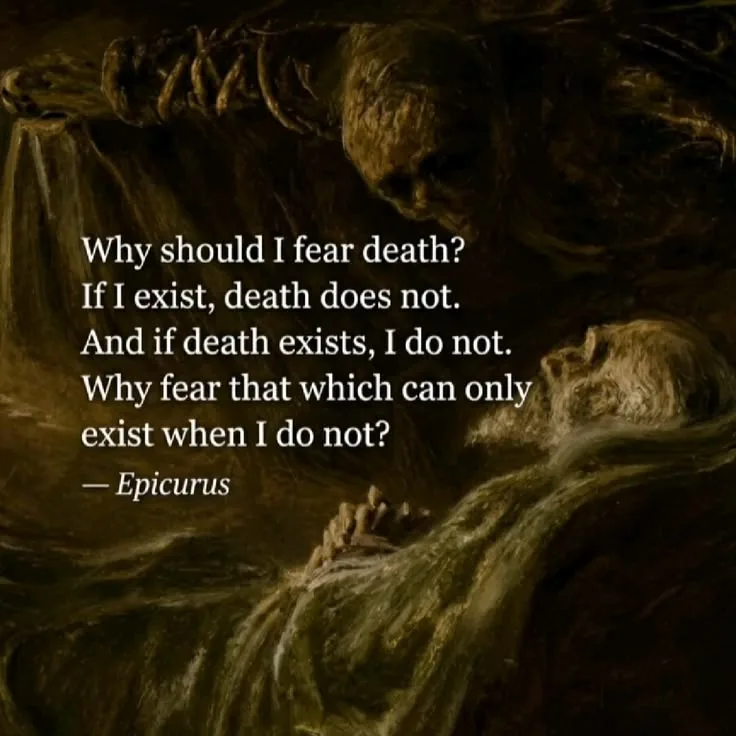
Why We Fear Death: Terror Management Theory Explained
Ernest Becker argued in his 1974 Pulitzer Prize-winning book that the awareness of death is the engine driving most of human culture and behavior.
What has been corrected on this page?
Every accepted correction to this page is recorded with the exact change, so readers can see how the page improved over time.
-
2 corrections applied: The Amboseli elephant researcher is Cynthia Moss, not Dorothy Moss. | The judges' bond-setting study ($455 vs $50) is from Rosenblatt et al. (1989) 'Evidence for TMT I', not the 1990 TMT II paper.
BeforeDorothy Moss's elephant research at Amboseli documented similar behavior in African elephant families... Greenberg, Pyszczynski, Solomon, Rosenblatt, Veeder, Kirkland, and Lyon's 1990 paper presented the first systematic evidence: municipal court judges set higher bail/bond amounts after mortality salience.
AfterCynthia Moss's elephant research at Amboseli documented similar behavior in African elephant families... Rosenblatt, Greenberg, Solomon, Pyszczynski, and Lyon's 1989 paper in Journal of Personality and Social Psychology -- one of the foundational TMT publications -- presented the first systematic evidence: municipal court judges set higher bail/bond amounts after mortality salience.
Why: Content already correctly fixed on the page (verified: 'Cynthia Moss' and 'Rosenblatt, Greenberg, Solomon, Pyszczynski, and Lyon's 1989 paper' both present, matching the correct TMT I paper). The FAQ field also already correctly said 'Cynthia Moss' (checked, no stale 'Dorothy Moss' anywhere). Backfilling before/after for the record.
View the full record →
Who checked this page?
1 contributor has checked "Why We Fear Death: Terror Management Theory Explained" on When Notes Fly. Each name below links to that person's public CitePep profile, where every contribution they have made is listed with the exact change they proposed.