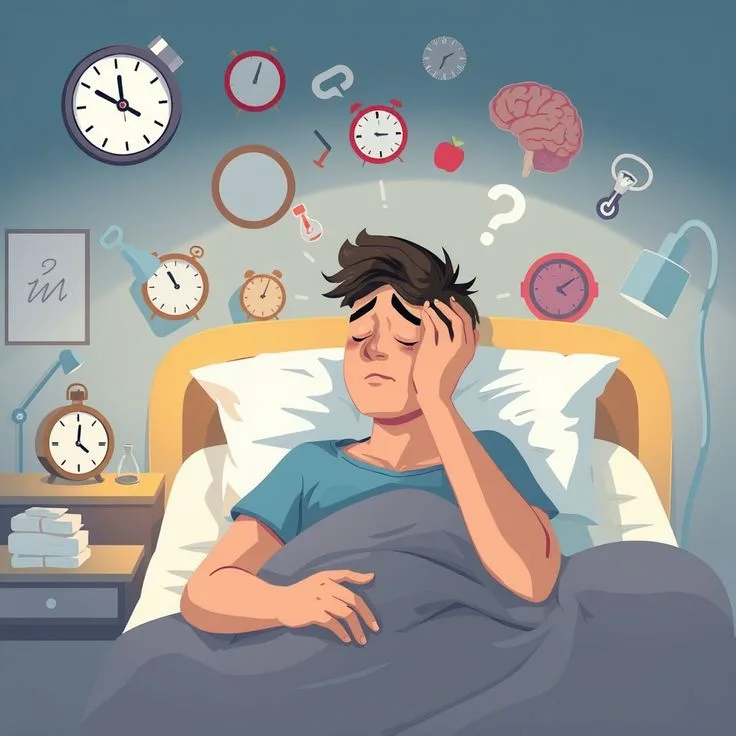
Why Sleep Deprivation Seems Acceptable But Isn't
Sleep deprivation challenges self-awareness, illustrated by studies on cognitive impairment and brain function.
What has been corrected on this page?
Every accepted correction to this page is recorded with the exact change, so readers can see how the page improved over time.
-
Dawson & Reid published in Nature in 1997, not 2000 (reference list confirms 1997)
BeforeA 2000 study by Drew Dawson and Kathryn Reid published in Nature measured cognitive performance in subjects at varying levels of sleep deprivation...
AfterA 1997 study by Drew Dawson and Kathryn Reid published in Nature measured cognitive performance in subjects at varying levels of sleep deprivation...
Why: Verified the fix is live in the article body and matches the bibliography entry (Dawson, D., & Reid, K. (1997). Fatigue, alcohol and performance impairment. Nature, 388(6639), 235). No stale occurrence found in the FAQ. Backfilling record with confirmed correct text; no further edits needed.
View the full record →
Who checked this page?
1 contributor has checked "Why Sleep Deprivation Seems Acceptable But Isn't" on When Notes Fly. Each name below links to that person's public CitePep profile, where every contribution they have made is listed with the exact change they proposed.