What Is The Long Tail: How the Internet Changed What Sells
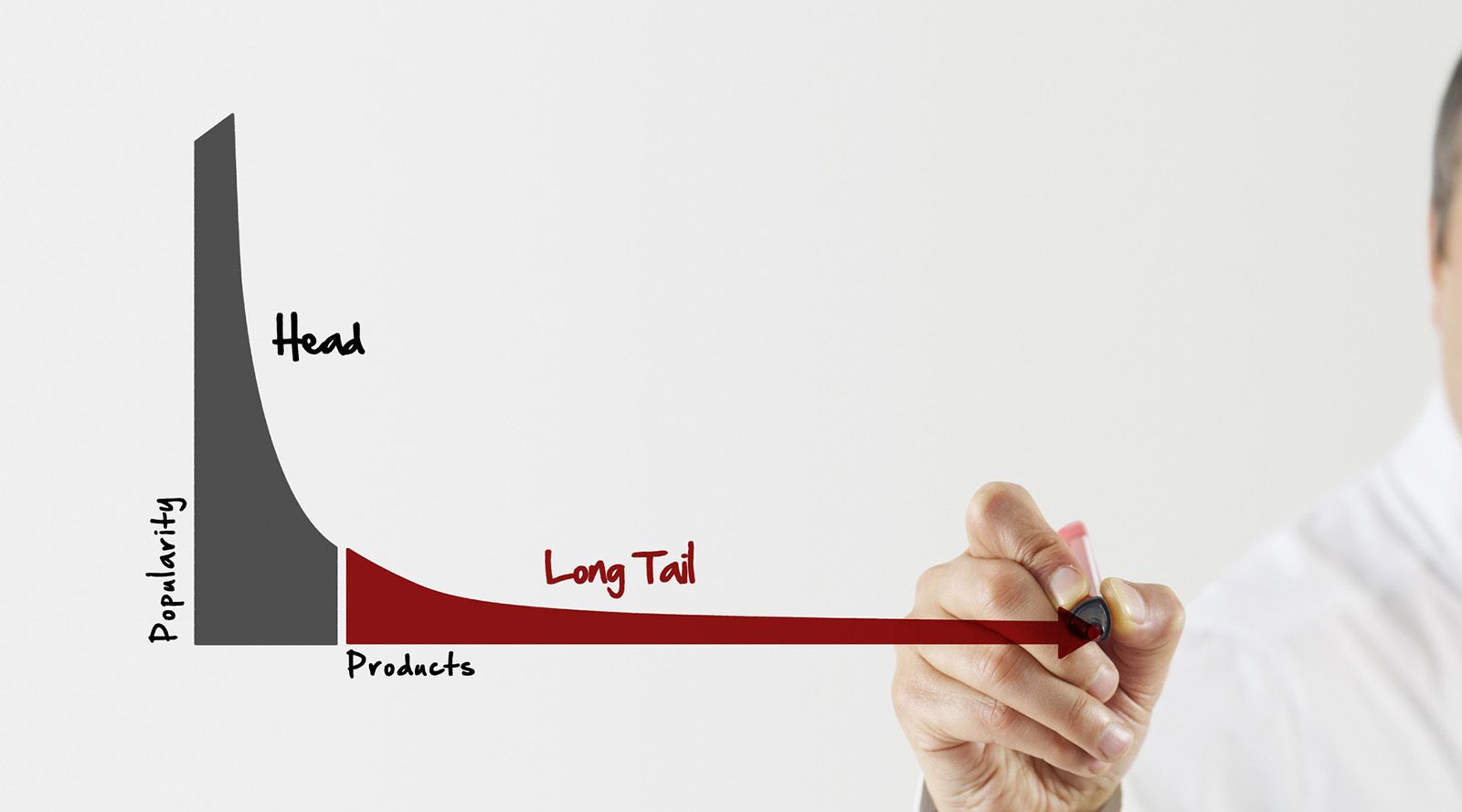
Chris Anderson's Long Tail theory explained how the internet enabled niche products to collectively outsell hits.
What is this page about?
An explainer of the long tail, Chris Anderson's 2004 Wired thesis that the internet made it viable to profit by selling small quantities of many niche products rather than only hits, because distribution costs collapsed and aggregation reduced search costs. It covers the origins (Rhapsody, Amazon), the statistical shape of demand, applications in e-commerce, streaming, and long-tail search keywords, and Anita Elberse's blockbuster-hypothesis counterevidence disputing the theory, plus what long-tail thinking means for the creator economy today.
What has been corrected on this page?
Every accepted correction to this page is recorded with the exact change, so readers can see how the page improved over time.
-
Etsy's consolidated 2023 GMS was roughly $13 billion, not $2.5 billion
Beforecollective demand that sustained over $2.5 billion in gross merchandise sales in 2023
Aftercollective demand that sustained over $13 billion in gross merchandise sales in 2023
Why: Verified live: the article already correctly states $13 billion. The FAQ does not mention Etsy's GMS figure at all, so no secondary fix was needed.
View the full record →
Who checked this page?
1 contributor has checked "What Is The Long Tail: How the Internet Changed What Sells" on When Notes Fly. Each name below links to that person's public CitePep profile, where every contribution they have made is listed with the exact change they proposed.