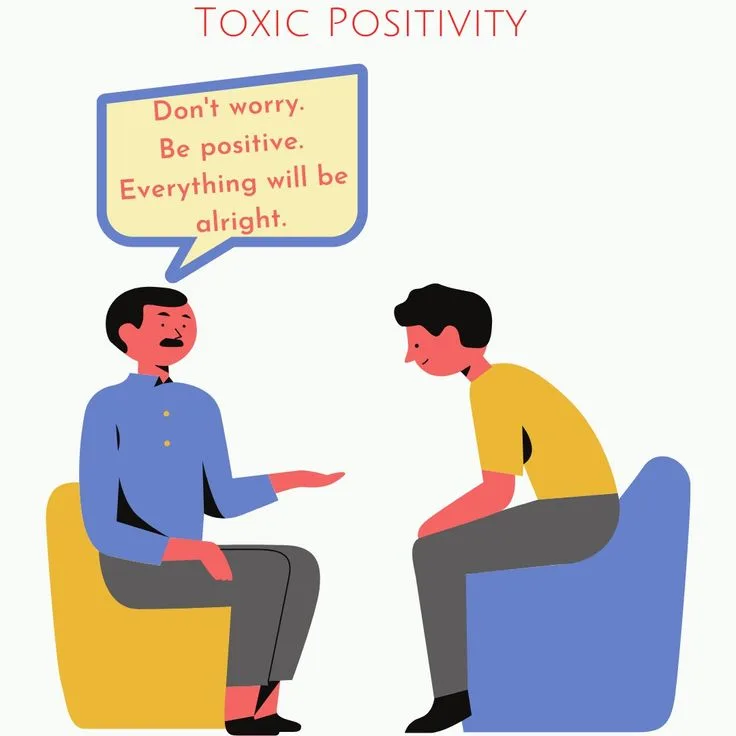
Understanding the Dangers of Toxic Positivity
Toxic positivity undermines genuine emotions, showing why forced optimism can lead to negative outcomes in emotional health.
What has been corrected on this page?
Every accepted correction to this page is recorded with the exact change, so readers can see how the page improved over time.
-
Klein and Boals expressive-writing/working-memory study was published in 2001, not 1997.
BeforeA 1997 study by Klein and Boals found that individuals who wrote expressively about a stressful experience showed significantly better working memory performance in the subsequent weeks.
AfterA 2001 study by Klein and Boals found that individuals who wrote expressively about a stressful experience showed significantly better working memory performance in the subsequent weeks.
Why: Verified fix already fully applied (only mention, now reads 2001); article has no formal bibliography list to check; FAQ field does not reference this study. No further changes needed.
View the full record →
Who checked this page?
1 contributor has checked "Understanding the Dangers of Toxic Positivity" on When Notes Fly. Each name below links to that person's public CitePep profile, where every contribution they have made is listed with the exact change they proposed.