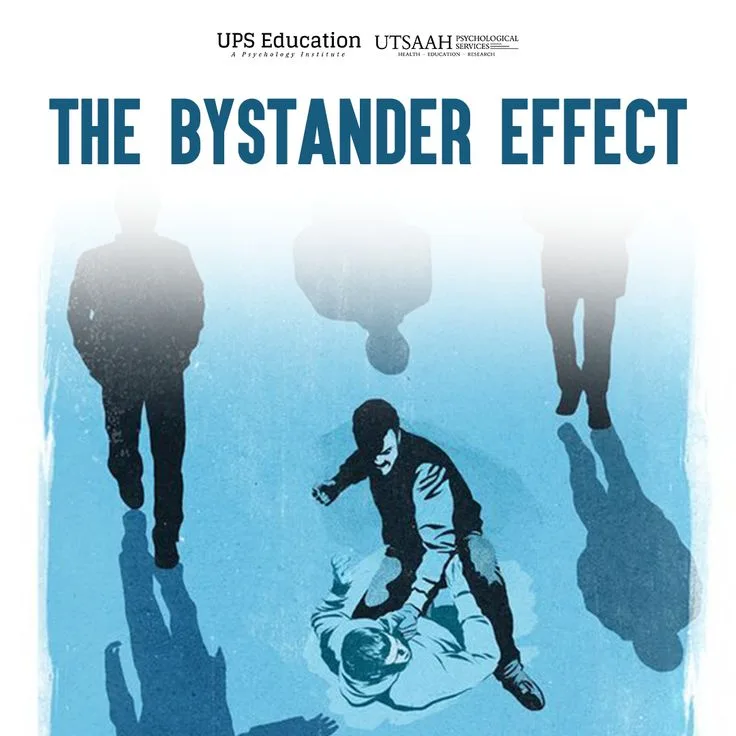
Understanding the Bystander Effect in Workplaces
The bystander effect leads employees to inaction; explore its psychological underpinnings and how to cultivate an active workplace culture.
What is this page about?
An application of the bystander effect to the workplace, where it shows up as teams failing to challenge flawed decisions, unreported misconduct, and collective silence. It explains the mechanisms (diffusion of responsibility and pluralistic ignorance) from Latane and Darley's research after the Kitty Genovese case, why work amplifies them, and their link to psychological safety and Google's findings. It then gives organizational countermeasures (explicit ownership, safe and visible speaking up, anonymous channels, reducing the cost of being first) and individual frameworks like the CARE model.
What has been corrected on this page?
Every accepted correction to this page is recorded with the exact change, so readers can see how the page improved over time.
-
31% figure corresponds to four other presumed bystanders (group of six), not five
BeforeWhen they believed five other people could also hear, only 31 percent intervened
AfterWhen they believed four other people could also hear, only 31 percent intervened
Why: Corrected the group size; the 31 percent intervention figure corresponds to four other presumed bystanders (a group of six total), not five. Verified already live on the article; also confirmed no leftover instances in faq, excerpt, meta_description, or seo_keywords.
View the full record →
Who checked this page?
1 contributor has checked "Understanding the Bystander Effect in Workplaces" on When Notes Fly. Each name below links to that person's public CitePep profile, where every contribution they have made is listed with the exact change they proposed.