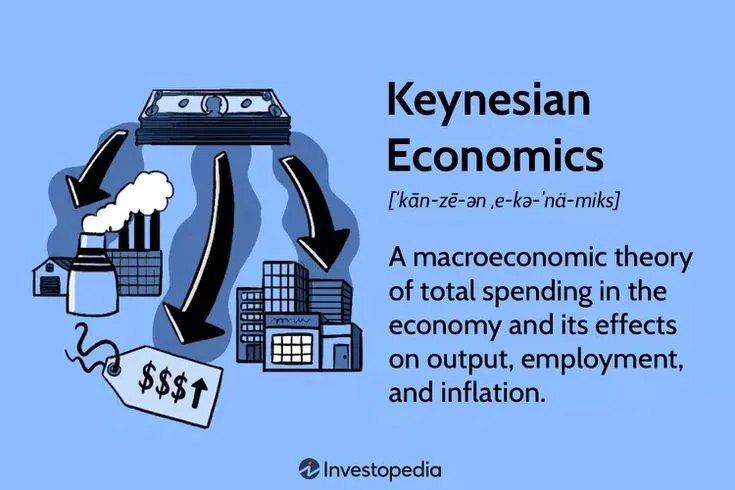
Understanding Keynesian Economics: Demand and Stabilization
Discover how Keynesian economics emphasizes aggregate demand and government interventions to maintain economic stability.
What has been corrected on this page?
Every accepted correction to this page is recorded with the exact change, so readers can see how the page improved over time.
-
132 billion gold marks figure dates from the 1921 London Schedule, after the 1919 book
BeforeThe book argued that the reparations of 132 billion gold marks being imposed on Germany were economically unworkable because Germany lacked the trade surplus necessary to service them...
AfterThe book argued that the open-ended reparations being imposed on Germany were economically unworkable because Germany lacked the trade surplus necessary to service them...
Why: Verified fix is fully applied: body text correctly reads 'open-ended reparations' with no specific 132-billion-gold-marks figure (that figure postdates the 1919 book). Bibliography section has no mention of the figure. FAQ field decoded cleanly (ops: base64,json,base64,json, 7 entries) refers only generally to 'punitive reparations' / 'the reparations demanded' with no specific figure. No further changes needed.
View the full record →
Who checked this page?
1 contributor has checked "Understanding Keynesian Economics: Demand and Stabilization" on When Notes Fly. Each name below links to that person's public CitePep profile, where every contribution they have made is listed with the exact change they proposed.