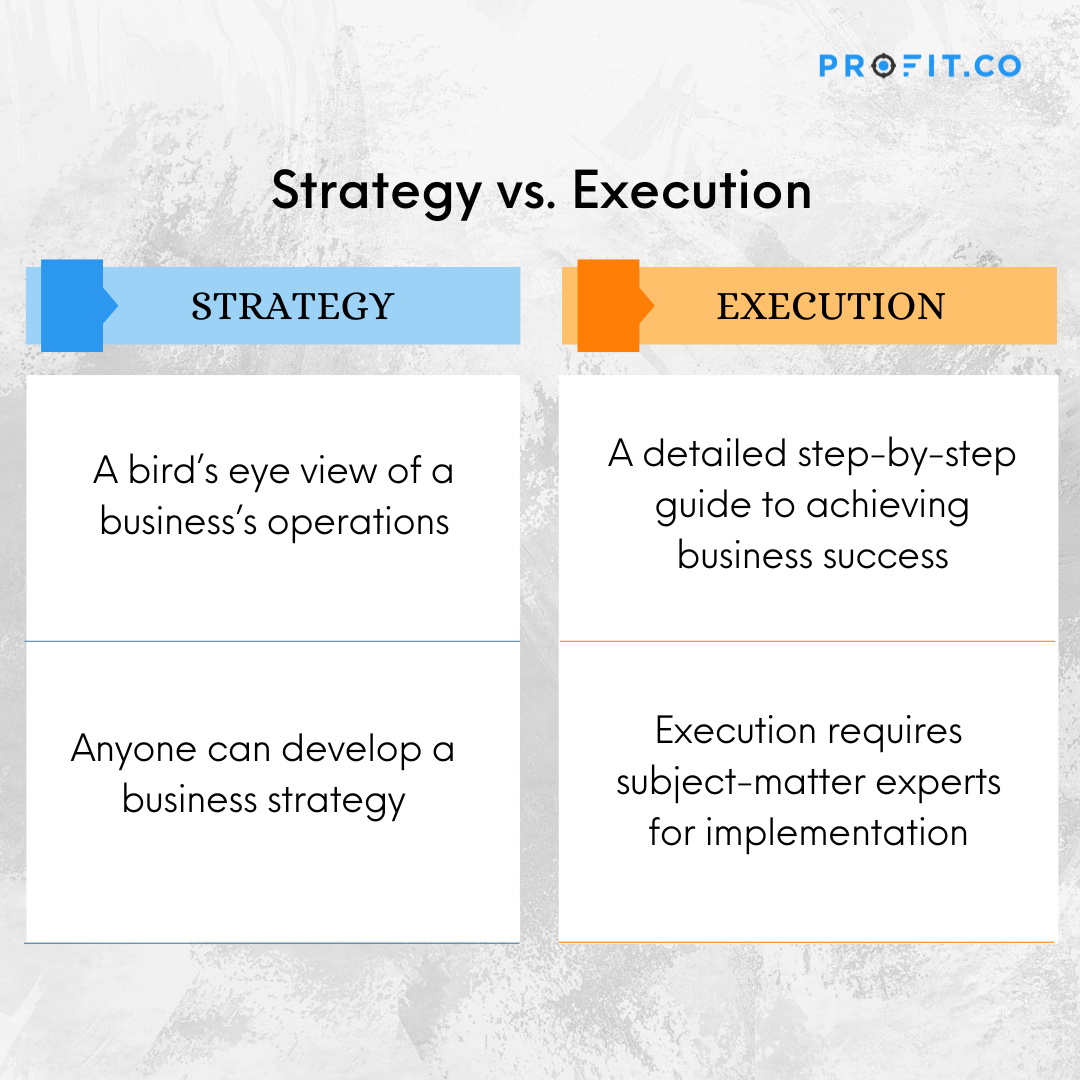
Planning vs Execution Explained
Planning vs execution balance: Over-planning creates analysis paralysis. Under-planning causes thrashing and wasted rework. Find the right balance.
What is this page about?
An examination of the tension between planning and execution, opening with D-Day, where the detailed plans fell apart on contact yet the operation succeeded because forces were trained to achieve objectives and adapt. It covers what planning actually provides, the planning spectrum and both the under-planning and over-planning failure modes, the psychology of why planning goes wrong, the adaptive planning approach, the components of execution quality (skill, attention, communication, monitoring), and the pre-mortem technique.
What has been corrected on this page?
Every accepted correction to this page is recorded with the exact change, so readers can see how the page improved over time.
-
The 'no plan survives contact' aphorism is Moltke the Elder's, not Eisenhower's.
BeforeEisenhower, who had also said "no plan survives first contact with the enemy," had anticipated this.
AfterEisenhower, echoing Helmuth von Moltke the Elder's maxim that "no plan survives first contact with the enemy," had anticipated this.
Why: Corrected misattribution: the aphorism originates with Helmuth von Moltke the Elder, not Eisenhower. Verified already live in body content; FAQ field had no mention of this quote.
View the full record →
Who checked this page?
1 contributor has checked "Planning vs Execution Explained" on When Notes Fly. Each name below links to that person's public CitePep profile, where every contribution they have made is listed with the exact change they proposed.