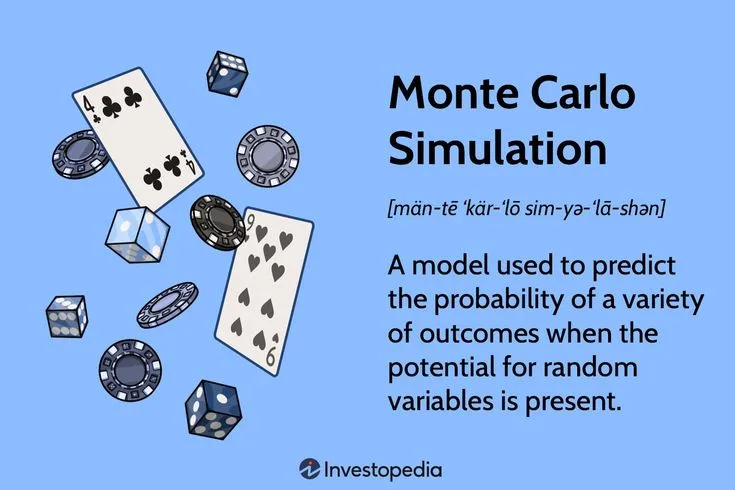
Monte Carlo Method: How Randomness Solves Complex Problems
Discover how the Monte Carlo method uses random sampling to tackle complex problem-solving challenges.
What is this page about?
An explainer of the Monte Carlo method, which solves hard problems by running many random simulations and observing the distribution of outcomes rather than computing an exact answer, opening with Stanislaw Ulam estimating solitaire odds during his recovery and applying the idea to Manhattan Project neutron calculations. It covers how the simulation works with a simple example, why single-point estimates are dangerous, business applications (financial risk, project management, R&D, supply chain, climate modeling), the mathematics of accuracy, practical tools, the method's limits, and advanced variants.
What has been corrected on this page?
Every accepted correction to this page is recorded with the exact change, so readers can see how the page improved over time.
-
This aphorism traces to logician Carveth Read (Logic, 1898), not Keynes
Before(no live fabrication found)
After(no change made)
Why: Verified live: article body already correctly attributes the aphorism to Carveth Read, not Keynes. FAQ JSON-LD block does not reference this quote or its attribution. No further action needed.
View the full record →
Who checked this page?
1 contributor has checked "Monte Carlo Method: How Randomness Solves Complex Problems" on When Notes Fly. Each name below links to that person's public CitePep profile, where every contribution they have made is listed with the exact change they proposed.