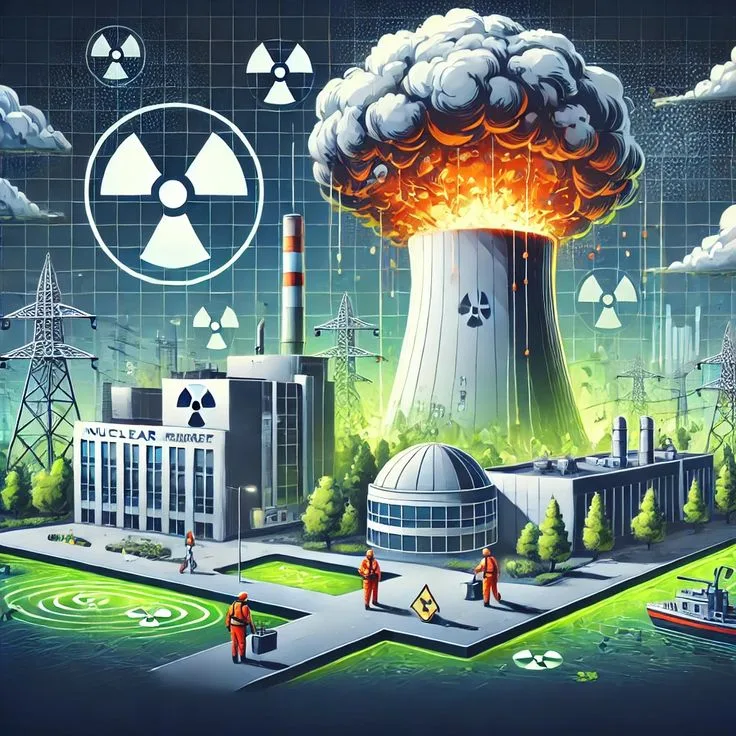
How Nuclear Weapons Function: Physics and Existential Risk
Brain learning: neurons fire together during experience, synapses strengthen with repetition through long-term potentiation.
What has been corrected on this page?
Every accepted correction to this page is recorded with the exact change, so readers can see how the page improved over time.
-
3 corrections applied: CREB's role in long-term memory was established by Kandel's lab ~1990 (Aplysia), not a 1983 Kandel-Nicoll Nature paper; Nicoll is not associated with the CREB/Aplysia work. | The Landrigan et al. resident-error NEJM study was published in 2004, not 2007. | The Adesope, Trevisan & Sundararajan retrieval-practice meta-analysis was published in 2017 in Review of Educational Research, not 2019 in Psychological Bulletin.
BeforeHis 1983 paper with Roger Nicoll; published in 2007 in the New England Journal of Medicine; 2019 meta-analysis by Adesope, Trevisan, and Sundararajan published in Psychological Bulletin
AfterHis work around 1990 with colleagues; published in 2004 in the New England Journal of Medicine; 2017 meta-analysis by Adesope, Trevisan, and Sundararajan published in Review of Educational Research
Why: Verified live: all 3 corrections already present in body content and bibliography. FAQ decoded (4-step op-sequence) and checked - no mention of these facts. Excerpt clean. Note: post title metadata reads 'How Nuclear Energy Functions: Fission and Reactor Power' despite slug/content being about learning/brain - flagged as a separate out-of-scope metadata anomaly, not a factual fabrication.
View the full record →
Who checked this page?
1 contributor has checked "How Nuclear Weapons Function: Physics and Existential Risk" on When Notes Fly. Each name below links to that person's public CitePep profile, where every contribution they have made is listed with the exact change they proposed.