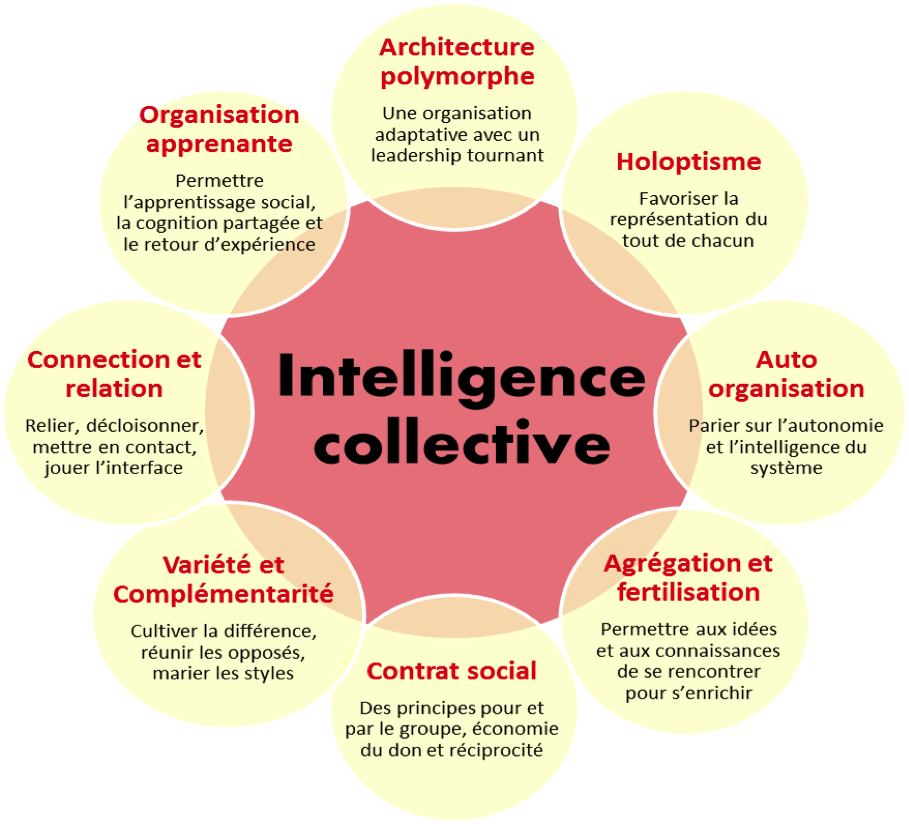
Collective Intelligence: Group Decision-Making Benefits
Collective intelligence explains how groups can make better judgments than individuals in various tasks.
What has been corrected on this page?
Every accepted correction to this page is recorded with the exact change, so readers can see how the page improved over time.
-
Qualified three overstated claims: softened ant-colony 'globally optimal foraging paths' to 'highly efficient, near-optimal' (not a provably global optimum); qualified 'prediction markets consistently outforecast individual experts' to 'frequently,' noting track record varies by market; and reframed Tetlock's forecasting-tournament findings as showing structured crowds can match or outperform many experts in specific tournaments rather than a universal law that diverse crowds always beat expert consensus. The Lorenz 2011 conformity study, the Physarum/Tokyo-rail-network experiment, and the diverse-teams/ensemble-methods claims were accurate and left in place.
What the page claimedThe article said ant colonies produce globally optimal paths, prediction markets consistently outperform experts, and Tetlock established a universal finding that crowds outperform expert consensus.
What was correctedQualified each claim to what the underlying research supports (near-optimal rather than global optimum; frequent rather than consistent outperformance; tournament-specific rather than universal).
Why: These were reasonable summaries stated more absolutely than the research supports. Corrections add the appropriate qualifications rather than adding new sources.
View the full record →
Who checked this page?
1 contributor has checked "Collective Intelligence: Group Decision-Making Benefits" on When Notes Fly. Each name below links to that person's public CitePep profile, where every contribution they have made is listed with the exact change they proposed.