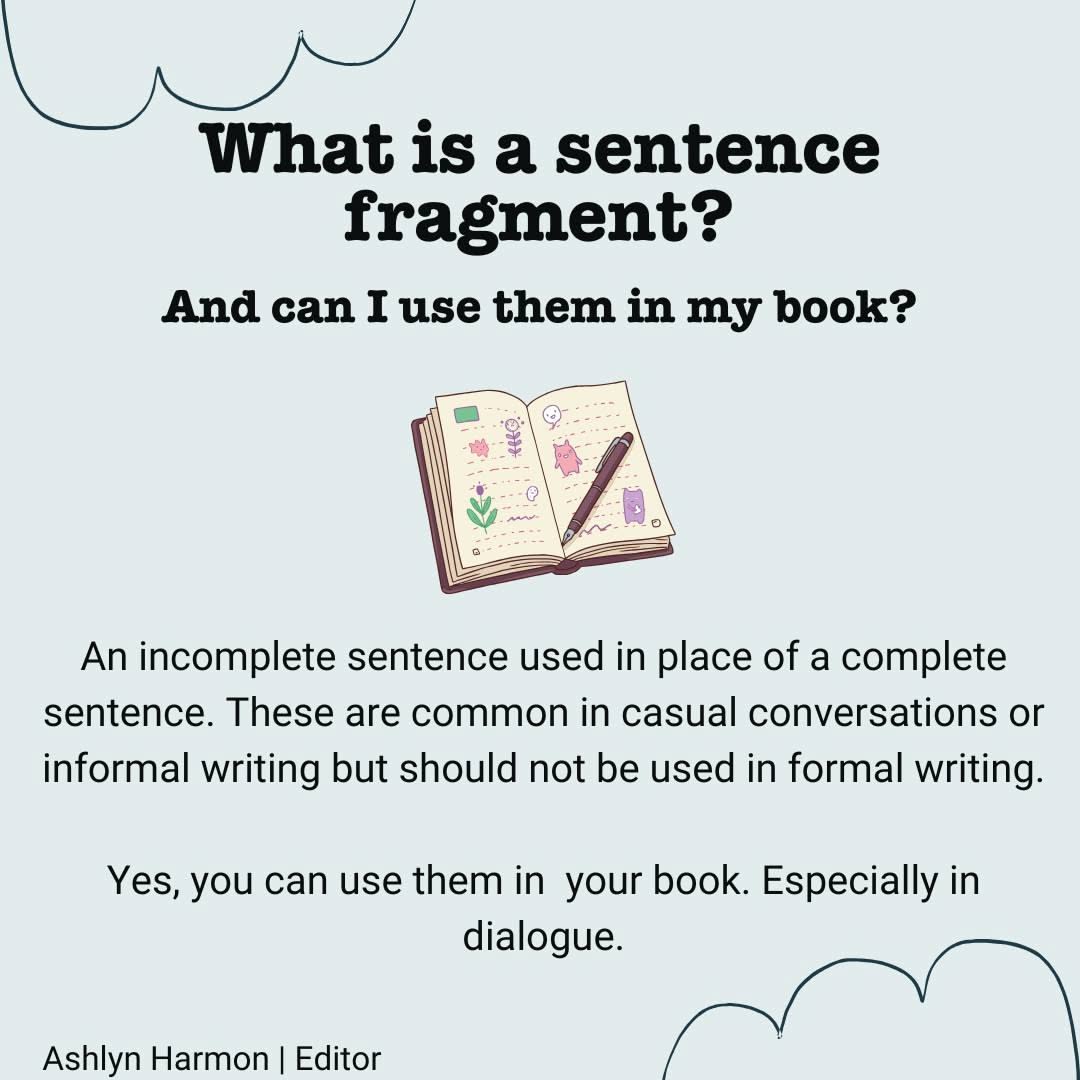
Sentence Fragments: Understanding Their Usefulness
Explore when sentence fragments work and their deliberate use in professional writing for impact.
The exact change
"A fragment is a tool, not an error. The writer who uses a fragment deliberately gets a specific effect. The writer who writes a fragment by accident produces a weakness. The difference is intent." Roy Peter Clark, Writing Tools [...] "The good writer does not ask whether a fragment is correct in the abstract. The good writer asks whether this fragment serves this reader in this context. That question has an answer every time." Ann Handley, Everybody Writes [...] "Short sentences are not simpler. Short sentences are harder. A fragment is the shortest form of writing. Use it only when the meaning demands it." Stephen Pinker, The Sense of Style [...] "Writing well is revising well. Most strong fragments survive three drafts. Most weak fragments are cut in the second draft. The test is whether they still earn their place on the page." William Zinsser, On Writing Well [...] "Readers reward writers who vary rhythm. A page of long sentences fatigues. A page of short sentences stutters. A page that mixes lengths carries the reader." Josh Bernoff, Writing Without Bullshit
A fragment used on purpose is a tool; a fragment written by accident is a weakness. The difference is intent. [...] The question is not whether a fragment is correct in the abstract, but whether it serves the reader in this specific context. [...] Short sentences are not necessarily simpler to write well. A fragment is the shortest form of writing, so it should be used only when the meaning demands it. [...] Writing well is revising well. Strong fragments tend to survive multiple drafts, while weak ones get cut early. The test is whether a fragment still earns its place on the page. [...] Readers respond well to varied rhythm. A page of long sentences can fatigue, a page of short sentences can stutter, but a page that mixes lengths tends to carry the reader through.
Why this is better
Unverified verbatim quote attributed to Roy Peter Clark's 'Writing Tools'. Web search of the book's contents and reviews finds no such quote; this exact sentence could not be verified in the real book, matc; unverified verbatim quote attributed to Ann Handley's 'Everybody Writes'. This exact sentence is not found in the real book or in any review/summary of it, matching the site's known pattern of inventi; unverified verbatim quote attributed to 'Stephen Pinker' (misspelled; the real author is Steven Pinker) and his book 'The Sense of Style'. This exact sentence could not be verified in the real book, matchin; unverified verbatim quote attributed to William Zinsser's 'On Writing Well'. This exact sentence is not found in the real book, matching the site's known pattern of inventing quotes for real named aut; unverified verbatim quote attributed to Josh Bernoff's 'Writing Without Bullshit'. This exact sentence is not found in the real book, matching the site's known pattern of inventing quotes for
More by Selen Ikbal Uslu in Grammar Guide
- Correction Fewer vs Less: When to Use Each
- Correction Affect vs Effect: The Definitive Guide for Clarity
- Correction Comma Rules Everyone Gets Wrong (and How to Fix Them)
- Correction Who vs Whom: Clear Definitive Guide