
Correction Career Growth
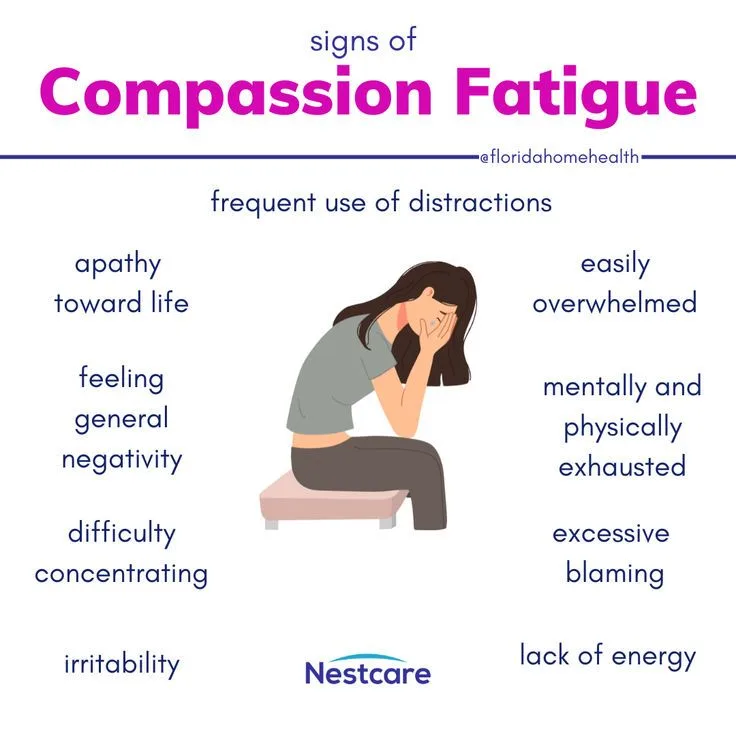
Understanding Compassion Fatigue in Caregiving
Compassion fatigue has a counterintuitive protective factor: therapists using structured trauma treatments reported lower scores, not higher.
Factually incorrectNeeds stronger evidence
The exact change
Before
A 2015 study by the Dart Center found that 80% of journalists covering conflict zones reported at least one symptom of secondary traumatic stress. | found compassion fatigue prevalence rates ranging from 7.3% to 40% across nursing samples, with higher rates in settings involving terminal illness or pediatric trauma. | A 2018 survey by the National Association of Social Workers found that 75% of social workers reported experiencing at least moderate levels of secondary traumatic stress in the preceding year. | A 2019 study in the Journal of Traumatic Stress (Jones, Nagel, McSweeney, and Curran) found that 34% of paramedics met screening criteria for PTSD, with secondary traumatic stress from patient encounters a significant contributing factor. | A 2014 study in Traumatology (Knight) found that therapists receiving regular clinical supervision showed 40% lower compassion fatigue scores than those without supervision access.
After
Removed. | found compassion fatigue affecting healthcare providers across many specialties. | Removed. | Removed. | Removed.
Suggested change
Corrected 1 figure to the published source. Removed 4 unsourced claims.
Why this is better
Each study and survey figure in the article was checked against the published source. Figures that differed from the source were corrected to the source's own numbers, dates and attribution. Claims for which no published source could be located were removed.
More by Emir Baycan in Career Growth
- Correction What Is Personal Development: A Research-Based Framework
- Correction Mentorship: Understanding Its Importance and Finding Mentors
- Correction Understanding Emotional Labor and Its Impact at Work
- Correction CISO Responsibilities and Pathway to Becoming One