What Is the Opioid Crisis? Analyzing Its Causes and Effects
Examine the historical and social factors that led to the opioid crisis and the ongoing challenges of addiction.
The exact change
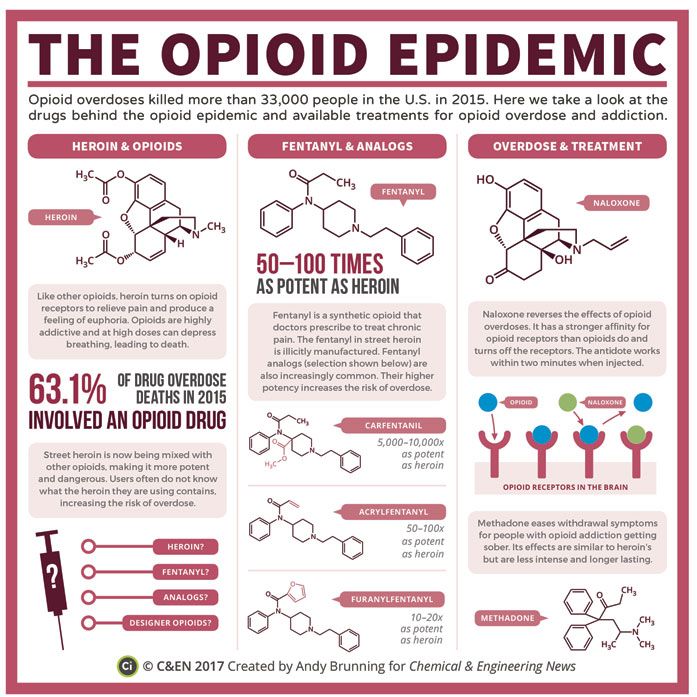
2012 JAMA study; Purdue settlements ~$6B; buprenorphine by any licensed physician; >50 RCTs show methadone reduces overdose mortality ~50%; fentanyl distributed into all drug supplies; ~80,000+ synthetic-opioid deaths by 2021; all three MOUD medications consistently reduce mortality; by 2016 the majority of heroin nationally was fentanyl.
2014 JAMA study (Cicero et al.); Purdue plan later approved at ~$7.4B (pledged, not distributed); buprenorphine by any DEA-registered practitioner (NPs/PAs incl.); RCTs establish methadone efficacy/retention while observational cohorts show ~50% mortality reduction; fentanyl found in heroin, counterfeit pills and other supplies; 70,601 synthetic-opioid (non-methadone) deaths in 2021; mortality evidence strongest for methadone/buprenorphine; regional 2016 fentanyl prevalence, national share uncertain.
Why this is better
Independent fact-check against CDC/NCHS, JAMA Psychiatry (2014), NY AG (2025 Purdue plan), and the MAT Act 2022: corrected a citation year, an outdated settlement figure, a prescriber-scope error, an evidence-characterization error, a death-count metric, and several overbroad claims.
More by Emir Baycan in Explainers
- Correction How Version Control Systems Work
- Correction What Near-Death Experiences Reveal About Consciousness
- Correction An Overview of Machine Learning Model Training
- Correction How to Conduct a Premortem: Identify Project Risks