
Correction Psychology Behavior
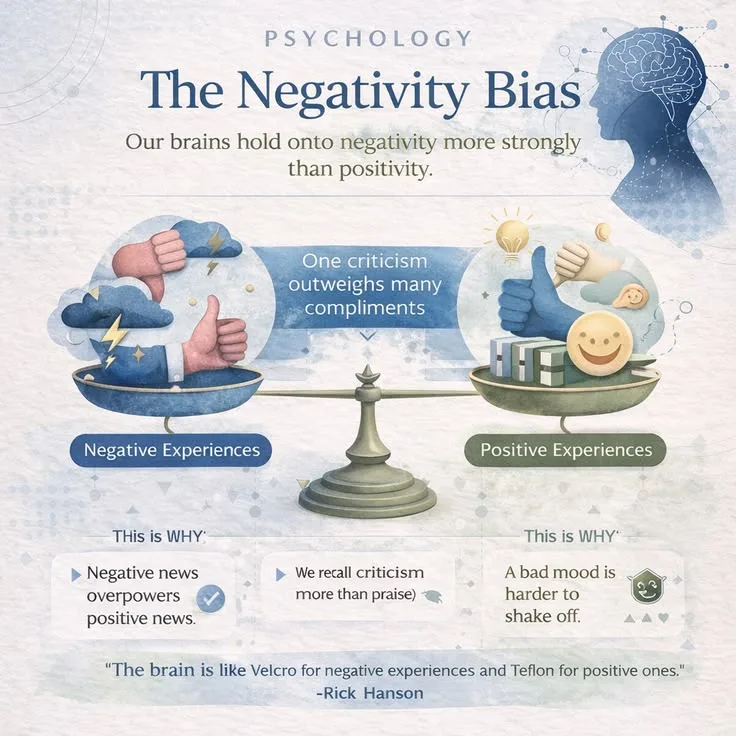
The Negativity Bias: Why Bad Is Stronger Than Good
Negativity bias, why bad outweighs good, Gottman's 5-to-1 marriage ratio, and news viewers in 17 countries reacting harder to negative clips.
Factually incorrect
The exact change
Before
A 2004 study by Elizabeth Phelps and colleagues at New York University found that individual differences in amygdala reactivity to threat-related stimuli predicted both the degree of behavioral loss aversion in economic gambles and the intensity of autobiographical memory for negative events.
After
A 2013 study by Peter Sokol-Hessner, Colin Camerer, and Elizabeth Phelps found that individual differences in behavioral loss aversion in economic gambles tracked the amygdala's response to losses relative to gains.
Suggested change
Corrected 1 figure to the published source.
Why this is better
Each study and survey figure in the article was checked against the published source. Figures that differed from the source were corrected to the source's own numbers, dates and attribution.
More by Emir Baycan in Psychology Behavior
- Correction Chronic Procrastination in Highly Motivated People
- Correction The Evolutionary Purpose of Emotions Explained
- Correction Why Mental Health Rates Are Changing
- Correction Insights on Great Leadership from 50 Years of Research