
Correction Project Management
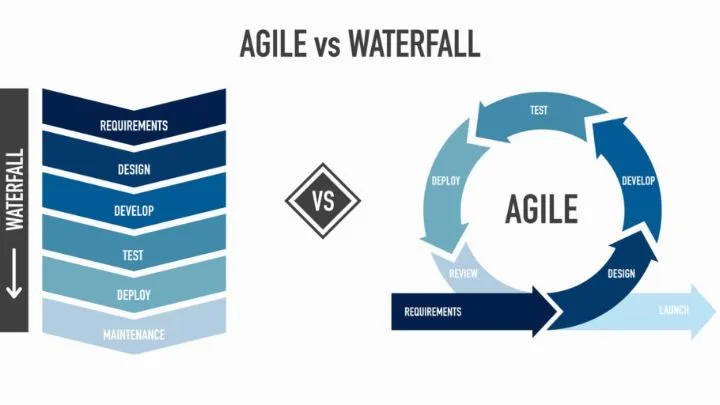
Agile vs Waterfall Explained
Agile iterates and replans as it learns; waterfall fixes requirements upfront. Which projects call for each approach.
Factually incorrect
The exact change
Before
The 2015 report found that large projects (those with budgets exceeding $10 million) failed at rates approaching 50% under waterfall approaches, while equivalent agile projects failed at approximately 8%. | The CHAOS Report's breakdown of project outcomes by size reveals an important nuance: for small projects (under $1 million budget), waterfall and agile produce similar success rates, around 70-75%. The divergence grows with project size. | For projects exceeding $10 million, waterfall success rates fall below 30% while agile success rates remain above 50%. The implication is that small, well-defined projects may not benefit significantly from agile overhead, while large projects almost universally benefit from agile's risk management through early feedback.
After
The 2015 report found that large projects failed 42% of the time under waterfall approaches and 23% of the time under agile ones. | The CHAOS Report's breakdown of project outcomes by size reveals an important nuance: for small projects (under $1 million budget), the 2015 report recorded success rates of 58% for agile and 44% for waterfall. The divergence grows with project size. | For large projects, waterfall success fell to 3% while agile projects succeeded 18% of the time. The implication is that agile's advantage holds at every size and matters most on large projects, where its risk management through early feedback counts for more.
Suggested change
Corrected 3 figures to the published source.
Why this is better
Each study and survey figure in the article was checked against the published source. Figures that differed from the source were corrected to the source's own numbers, dates and attribution.
More by Emir Baycan in Project Management
- Correction Running Agile Retrospectives for Continuous Improvement
- Correction The Cobra Effect: Risks in Gaming Metrics
- Correction What Is Kanban: How Visual Workflow Management Works
- Correction Project Planning Checklist